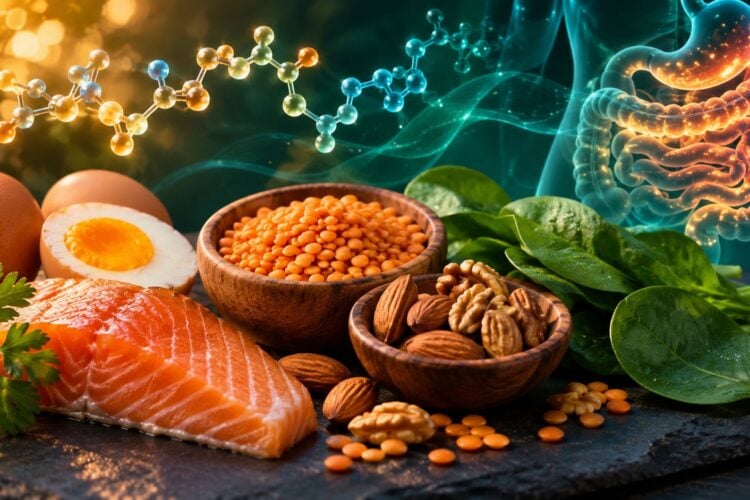
A meal represents much more than a collection of calories, vitamins, and minerals. From the moment food enters the digestive system, its components participate in a complex series of chemical transformations and biological interactions. Proteins are broken into smaller molecular structures, specialized intestinal cells respond to nutrients, and naturally occurring signaling molecules help coordinate communication between different organs.
Among the molecules involved in these processes are peptides, which consist of amino acids connected through peptide bonds. Their relationship with nutrition extends across food chemistry, digestive physiology, cellular communication, and metabolic science.
For readers exploring molecular biology through educational resources such as Peptides El Paso, understanding the connection between food and naturally occurring peptide activity provides a useful foundation for interpreting developments in nutritional and biomedical research.
Importantly, peptides generated during food digestion, peptide hormones produced by the body, and experimental compounds studied in laboratories represent distinct scientific categories. Understanding their differences helps explain why discoveries in nutritional science cannot automatically be translated into claims about investigational substances.
What Happens to Dietary Proteins During Digestion?
Proteins found in everyday foods contain long sequences of amino acids organized into molecular structures. Their nutritional significance depends partly on the body’s ability to break those structures into smaller components that can participate in normal biological processes.
During digestion, specialized enzymes interact with dietary proteins and progressively break particular chemical bonds. This process produces smaller protein fragments, peptides, and individual amino acids.
These components do not necessarily remain unchanged throughout the digestive system. They encounter different chemical environments and additional enzymes capable of modifying their structures further.
Food scientists investigate these transformations because the molecular characteristics of a food before digestion may differ substantially from those of the substances generated during digestion.
For example, a protein present in a food ingredient may contain amino acid sequences that become accessible only after portions of its structure have been broken apart. Identifying those sequences can provide valuable information about the chemical changes associated with food consumption.
However, the discovery of a particular peptide within a digestive system does not independently establish that it produces a meaningful health outcome. Additional research is necessary to determine its biological significance.
Food-Derived Peptides and Naturally Produced Hormones Are Not the Same
One source of confusion in discussions about nutrition and peptide science is the assumption that every peptide associated with food performs a similar biological function.
Food-derived peptides originate from proteins contained in dietary ingredients. They may be generated through food processing, fermentation, or digestive activity.
Peptide hormones, by contrast, are produced within biological systems and participate in the regulation of physiological processes. Specialized cells synthesize and release these signaling molecules in response to particular biological circumstances.
Although both categories contain molecules composed of amino acids, their origins and functions can differ considerably.
A peptide released from a dietary protein should not automatically be equated with a hormone produced by intestinal cells. Likewise, an experimental peptide investigated in a laboratory cannot be assumed to possess the characteristics of either category simply because it shares a similar molecular classification.
These distinctions are fundamental to understanding nutritional research. They allow scientists to examine specific molecular processes without making unsupported generalizations about the behavior of peptides as a whole.
The Digestive System Is Also a Communication Network
The gastrointestinal system performs important functions beyond the physical breakdown and absorption of food. It also contains specialized cells capable of detecting aspects of the surrounding nutritional environment and participating in communication with other biological systems.
Enteroendocrine cells are among the structures involved in this communication. They produce signaling molecules that contribute to the coordination of digestive and metabolic processes.
Different nutrients can influence the activity of these cells through several biological mechanisms. The resulting signals participate in communication involving the digestive tract, pancreas, nervous system, and other physiological structures.
Scientists investigate these relationships to understand how the body coordinates its responses to food. Their work has helped establish that digestion and metabolism involve interconnected signaling pathways rather than a simple sequence of mechanical and chemical events.
However, the presence of a signaling response does not mean that a particular food or isolated molecule produces a predictable long-term health outcome. The overall biological response depends on numerous interacting variables.
Studying these relationships requires evidence appropriate to the complexity of the system being investigated.
How Early Incretin Research Changed Scientific Understanding of Metabolism
Research into naturally occurring intestinal hormones has contributed to a more detailed understanding of the relationship between nutrient consumption and metabolic regulation.
In December 1987, B. Kreymann and colleagues published a study in The Lancet investigating the physiological role of glucagon-like peptide-1, commonly known as GLP-1. Their findings helped establish the importance of this naturally occurring signaling molecule in the body’s response to nutrient consumption and glucose regulation.
The study represented an important development in the scientific understanding of communication between the digestive system and other metabolic structures.
Subsequent research has continued to examine the molecular mechanisms associated with intestinal hormones, their biological targets, and the regulatory systems in which they participate.
For readers exploring research into metabolic signaling, this scientific history illustrates why naturally occurring hormone activity, experimental molecular research, and clinical evidence concerning specific pharmaceutical products must remain distinguishable.
Understanding how a biological signaling pathway operates does not establish that an unrelated research material is safe or effective for human weight management.
Each compound and each proposed application requires evidence appropriate to its own characteristics and intended purpose.
What Researchers Have Learned About Protein and Intestinal Signaling
Scientists have long investigated the relationship between dietary composition and the biological signals associated with eating.
In September 2006, Rachel Batterham and colleagues published research in Cell Metabolism examining the relationship between dietary protein and peptide YY, a naturally occurring intestinal hormone involved in the regulation of food intake.
The investigation included human observations and animal research designed to explore the biological mechanisms connecting nutritional composition with hormonal signaling.
Its scientific contribution was to examine how a naturally occurring peptide participates in a broader physiological response to nutrients. The findings provided information about biological mechanisms rather than establishing that isolated experimental peptides should be used as nutritional products.
This distinction is important because scientific discoveries about the body’s existing regulatory systems can be misunderstood when separated from their original research context.
A finding concerning the relationship between food and a naturally produced hormone does not establish the safety or effectiveness of externally sourced research compounds associated with similar terminology.
Understanding the original scientific question allows readers to appreciate the significance of nutritional research without extending its conclusions into unsupported applications.
Food Processing Can Influence the Molecular Characteristics of Proteins
Food preparation introduces additional complexity into the relationship between dietary proteins and peptides. Cooking, fermentation, and other processing methods can change the physical organization and chemical characteristics of food components.
Fermentation provides a particularly interesting example because microorganisms can produce enzymes capable of interacting with proteins. These interactions may generate smaller molecular fragments that differ from the components present in the original ingredients.
Researchers investigate such changes to better understand the chemistry of fermented foods and the molecular characteristics that develop during processing.
In their 2012 review published in the Journal of Food Science, Chibuike Udenigwe and Rotimi Aluko examined research involving peptides derived from food proteins, including their production, processing, and potential biological characteristics.
This area of investigation connects food manufacturing with analytical chemistry and biological research. Nevertheless, identifying molecular changes during food processing does not independently establish that those changes produce a particular clinical benefit.
The composition of the finished food, the digestive transformations that follow consumption, and the biological relevance of the resulting molecules all require separate consideration.
Why the Food Matrix Matters in Molecular Research
Foods are complex systems containing combinations of proteins, carbohydrates, fats, water, minerals, and numerous other substances. The physical organization of these components is often described as the food matrix.
A molecular substance examined independently in a laboratory may behave differently when it forms part of a complete food. Interactions among ingredients can influence the accessibility of proteins to digestive enzymes and affect the molecular changes that occur during processing.
This complexity presents an important challenge for food scientists. Findings obtained using isolated substances cannot automatically describe the behavior of those substances within every nutritional environment.
Consider a hypothetical investigation examining peptides generated from a particular food protein. Researchers might identify interesting molecular characteristics in an isolated laboratory system. However, further investigation would be necessary to determine whether comparable characteristics emerge when that protein is incorporated into a complex food.
The food matrix also helps explain why the chemical identification of an individual substance represents only one component of nutritional research.
Understanding the surrounding environment is essential to interpreting how molecular characteristics relate to the broader biological system.
Detecting a Peptide Does Not Establish Its Biological Availability
Modern analytical instruments allow scientists to identify increasingly complex mixtures of peptides generated during food processing and digestion.
Mass spectrometry and related analytical approaches can provide information about molecular identity and the characteristics of individual peptide fragments. These techniques have expanded the ability of researchers to investigate molecular changes that were previously difficult to characterize.
However, detecting a peptide within a food or digestive sample does not establish that the molecule remains intact, reaches a particular biological location, or produces a meaningful response.
A critical review examining the bioavailability of food-derived protein hydrolysates, indexed in PubMed under reference 34628165, discusses several limitations associated with predicting the biological availability of food-derived peptides from laboratory measurements.
These limitations illustrate why researchers must distinguish analytical detection from biological exposure and functional significance.
Each measurement provides a particular type of evidence. Combining complementary observations can improve scientific understanding, but conclusions must remain consistent with the actual capabilities of the investigations involved.
How Readers Can Interpret Nutritional and Peptide Research More Carefully
Scientific terminology increasingly appears in food journalism, wellness publications, and discussions about emerging biotechnology. Although this can make important research more accessible, it can also introduce confusion when different categories of scientific evidence are presented together.
Readers can benefit from identifying the original source of a reported finding and determining whether it concerns food chemistry, laboratory experiments, animal research, human physiology, or controlled clinical investigations.
They may also examine the stated purpose of this educational resource and similar scientific information platforms to understand the context in which research developments are presented.
A publisher’s educational mission is not independent proof that every scientific statement is accurate. Individual claims must still be assessed against the quality and relevance of the evidence supporting them.
Responsible nutritional communication should clearly distinguish the normal biological functions of naturally occurring molecules from experimental findings involving investigational substances.
Maintaining that distinction allows readers to explore scientific discoveries without mistaking molecular similarities for evidence of equivalent biological outcomes.
The Relationship Between Food and Peptide Biology Remains a Fascinating Scientific Field
Nutrition involves a complex interaction between the chemical characteristics of food and the biological systems responsible for digestion, absorption, communication, and metabolic regulation.
Peptides participate in several aspects of this relationship. Some originate from the breakdown of dietary proteins, while others are produced within the body as naturally occurring signaling molecules.
Scientific investigations into these processes have improved understanding of food chemistry, intestinal communication, and the molecular characteristics associated with nutrient consumption.
Nevertheless, each discovery answers a defined scientific question rather than providing a universal explanation of how all peptides behave. Research into digestive fragments, naturally occurring hormones, and experimental compounds must be interpreted within its appropriate scientific boundaries.
For anyone interested in the science behind everyday food, this distinction provides an opportunity to appreciate the remarkable complexity of human biology while maintaining realistic expectations about emerging research.
The most valuable scientific explanations are not necessarily those that promise the greatest immediate application. They are those that accurately describe what researchers have discovered, identify what remains uncertain, and preserve the difference between interesting molecular observations and established evidence about human health.