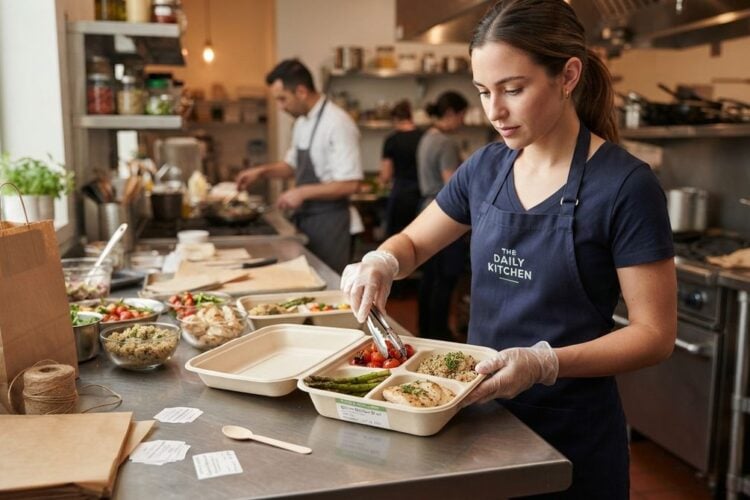
Packing lunch sounds simple until a busy morning arrives. Many teachers fill a bag with good intentions and still reach the afternoon with a rumbling stomach and a headache. The problem is rarely willpower. More often it is a handful of small errors in portion size, timing, or planning. This article looks at the most common lunch packing mistakes, explains why each one happens, and offers simple fixes that work in a real staff room with real time limits.
Packing Too Little Protein or Fibre
A lunch built only from bread and fruit may feel light and quick, but it often leaves people hungry an hour later. Adding a source of protein, such as eggs, beans, cheese, tofu, or leftover chicken, helps the meal last longer. Fibre from vegetables, whole grains, or pulses adds bulk and slows digestion, which many people find more satisfying. Think of a lunch as a plate with a filling element, a colourful element, and a carbohydrate element, rather than a single item. If you are unsure what suits your body, a qualified dietitian can offer personal guidance. Readers may also want to visit blog-buster.net.
Forgetting the Drink
Many teachers pack food and forget water. Thirst can feel like tiredness or hunger, which leads people to reach for sugary snacks from the vending machine. Keep a reusable bottle filled and ready by the door. On cold days, a flask of warm soup or herbal tea can be comforting during a long afternoon. Avoid relying on coffee alone, since too much of it can leave some people feeling jittery and dehydrated. A simple habit of drinking a glass of water before lunch is easy to remember and costs nothing at all.
Drink timing matters too. Many people who skip water during the morning find themselves reaching for a snack in the middle of the day, then arriving at lunch with little appetite. Try to finish one full bottle before the first lesson and refill it at the same point each day. If you dislike plain water, add a slice of fruit or a few mint leaves to the bottle the night before. A long afternoon of talking, moving around the classroom, and supervising activities can make thirst build quickly. Keeping a drink near your desk and sipping it between tasks is often easier than trying to drink a large amount all at once.
Here are the mistakes that appear most often in staff rooms:
1. Packing a meal that needs heating when there is no microwave access.
2. Choosing foods that wilt or go soggy by midday.
3. Forgetting utensils, napkins, or a small container for leftovers.
4. Buying more snacks than real meals.
Underestimating Time and Space
A lunch break is often shorter than it looks on the timetable, and some staff rooms have crowded fridges. Pack items that can be eaten quickly and do not require much cleaning up afterwards. Avoid bags that leak, since a spilled dressing can ruin a planner or a stack of marked papers. Use a container with clear compartments so the foods do not mix. A small insulated pouch keeps dairy and cooked meat cool until lunch, which matters on warm afternoons. You can also visit sindoweekly-magz.com for more reading.
Skipping the Plan for Tomorrow
Packing lunch in the morning, when you are already late, is a recipe for mistakes. Spend a few minutes each evening deciding what to pack and placing the containers by the door. Lay out the cutlery, check the fridge for supplies, and write a short shopping list if something is missing. For a related read on this site, see How to Host an Intimate Dinner Salon Around. Once the habit is established, it takes less time than searching for a forgotten sandwich in the rush of the morning.
Some mistakes also come from expecting too much variety every day. Choose three or four reliable lunch formulas and rotate them. A repeated lunch that you enjoy is better than a complicated one you skip. Keep a small pantry of ingredients that do not need refrigeration, such as crackers, dried fruit, and tinned vegetables, so you always have a backup.
Finally, treat lunch as part of your teaching routine rather than an afterthought. Eating at a steady time helps energy levels stay more even through long afternoons. If you regularly feel unwell after meals or cannot finish your lunch, speak with your doctor, because general guidance cannot replace an assessment of your own health.