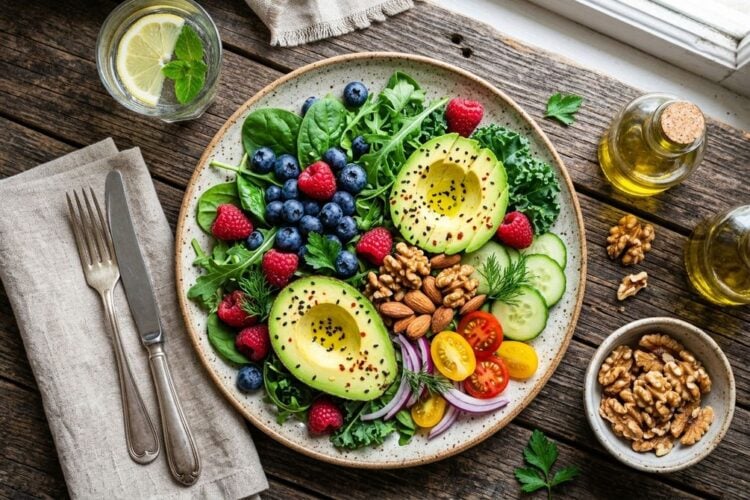
Walking into the kitchen at the end of a busy day can feel surprisingly complicated. Instead of deciding what to make based on ingredients in your crisper drawer, you are likely carrying the residue of countless video clips, conflicting kitchen tips, and flashy meal hacks. The modern home cook is surrounded by endless digital advice, making dinner feel less like a comforting rhythm and more like a performance demanding constant reinvention.
When every social feed insists you need a specialized pan, an unfamiliar condiment, or an elaborate technique just to prepare soup or roast vegetables, fatigue sets in. Cooking is an ancient, grounding domestic practice, yet the rapid pace of online media makes it feel chaotic. While trying fresh ideas is natural, spending more time scrolling than cooking turns dinner into an exhausting chore.
Learning to filter this noise is not about rejecting curiosity. It is about establishing clear boundaries between passive media consumption and practical kitchen craft. By critically assessing the food media you encounter, you protect your cooking time, preserve your energy, and build confidence that comes from repeated practice rather than fleeting internet phenomena.
Understanding How Modern Media Feeds Shape Your Plate
The way we consume recipe content mirrors how we interact with modern information ecosystems. Algorithmic feeds thrive on novelty, visual drama, and extreme statements. A video demonstrating a patient, classic tomato sauce rarely commands attention; a video demonstrating an eccentric shortcut in an unusual appliance spreads across screens in mere hours.
This dynamic alters our expectations of daily cooking. In our broader media landscape, technological shifts continuously reshape how stories and everyday topics are packaged for our screens. Keeping up with resources like Itsnews.net illustrates how profoundly technology alters our relationship with daily information, and food media operates under those exact same pressures. When recipes are engineered for rapid attention rather than kitchen success, home cooks end up bearing the cost of failed meals and wasted groceries.
Recognizing that digital food media is designed to capture attention rather than guide you toward a dependable meal helps reclaim your kitchen. When an online presentation relies heavily on quick cuts, dramatic cheese pulls, or claims that an age-old method is completely wrong, treat it as entertainment. A successful home cook needs methods that withstand busy weeknights, not tricks tailored for a screen.
Distinguishing Genuine Kitchen Lore From Viral Misconceptions
Alongside flashy video shortcuts, the internet is filled with culinary myths disguised as undisputed truths. For generations, cooks have passed down questionable rules about searing meat to seal in juices, adding oil to pasta water, or salting beans only after cooking. When repeated across dozens of platforms, these claims quickly harden into dogma, even when straightforward kitchen science proves otherwise.
Examining the cultural history of ingredients often reveals a much richer picture than internet debates suggest. The global history of food is filled with genuine marvels of preservation, fermentation, and regional resourcefulness developed over centuries. Exploring broader historical context on platforms like Fact City reminds us that real-world discoveries and cultural traditions are grounded in practical reality, not brief social media cycles. When you observe how traditional cooking techniques evolved, you see they were born from climate, agriculture, and practical survival rather than arbitrary internet rules.
When you encounter a culinary rule that sounds rigid, test it against basic physical reality. Salt draws out moisture through diffusion; heat causes proteins to tighten; starch molecules swell in simmering liquid. Understanding these basic building blocks frees you from memorizing arbitrary internet commandments.
Building a Dependable Core Routine for Busy Weekdays
A strong cooking routine does not require an endless catalog of novel recipes. Most confident cooks rely on a small handful of flexible master techniques adapted to whatever seasonal produce or pantry staples are on hand. Roasting a sheet pan of vegetables, braising cuts in seasoned broth, and simmering sturdy legumes require minimal active attention while yielding deeply satisfying meals.
When you master these core techniques, meal planning transforms from a stressful search into a relaxed assembly of familiar components. You can roast sweet potatoes, sauté greens, and warm canned beans with whatever spices you prefer, creating a nourishing dinner without opening an application or hunting for a forgotten measurement.
This reliance on core preparation habits protects you from midday fatigue during busy schedules. When preparing meals to take on the go, relying on proven foundations keeps your food fresh and satisfying. Home cooks often run into midday frustration simply because they miscalculate portions or pack dressings carelessly, a challenge highlighted in our advice on avoiding common workday lunch packing mistakes to keep meals satisfying. Grounding your preparations in practical habits ensures your food sustains you through long afternoons.
Evaluating Online Recipes Before You Turn on the Stove
Before committing your time, groceries, and appetite to a recipe discovered online, run it through a brief evaluation. Reliable recipes share distinct hallmarks of thoughtful development and clear communication.
- Check for sensory cues: Reliable recipes describe how food smells, sounds, and looks at each step rather than relying solely on timer estimates.
- Review ingredient proportions: Look closely at the balance of liquid, fat, and seasoning to ensure the ratios make physical sense before turning on the burner.
- Scrutinize equipment requirements: Be cautious of instructions insisting on specialized gadgets when an ordinary skillet or saucepan accomplishes the same task.
- Examine comments for genuine feedback: Look for notes from home cooks who prepared the dish as written, rather than praise based purely on photography.
- Assess the preparation timeline: Consider whether the estimated prep time accounts for washing, chopping, and cleanup, or if it presents an idealized snapshot.
Evaluating a recipe in this manner prevents the frustration of underseasoned fillings, soggy crusts, or burned aromatics. Over time, this critical habit trains your eye, allowing you to spot flaws in an online formula before spending an evening standing over a hot stove.
Curating a Personal Archive That Works for Your Life
The antidote to digital overwhelm is physical permanence. While bookmarking dozens of online recipes into digital folders feels productive, those collections often turn into forgotten digital archives. A small, physical notebook kept near your cutting board creates an intimate, tactile connection to the food you truly enjoy preparing.
When a recipe serves your household well, take a few minutes to copy the core ingredients and primary steps into your personal binder. Add brief notes about what your stove required, such as whether onions needed extra time to soften or if your household preferred smoked paprika over black pepper. These handwritten notes turn a generic internet formula into a customized household staple.
As your personal collection grows, your reliance on digital feeds naturally recedes. You will find comfort in turning to stained, familiar pages that have sustained you through busy workdays, quiet weekends, and informal gatherings with close companions. Cooking then returns to its rightful role: a quiet, grounding practice that nurtures your household and anchors your daily life.