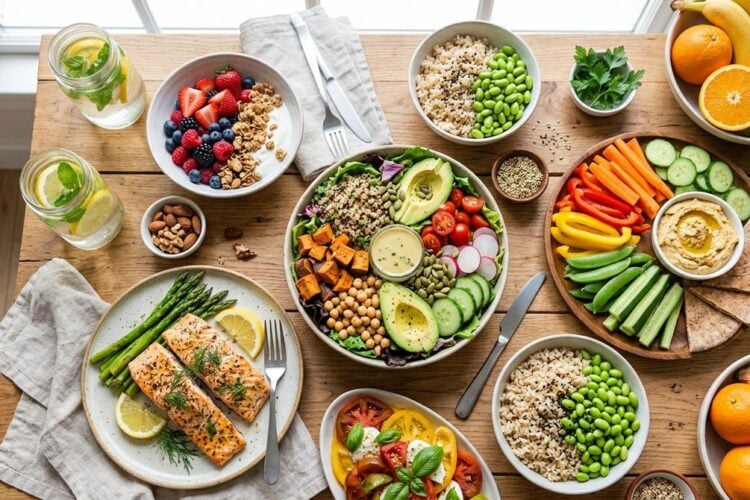
Gathering friends around a table to eat is one of the oldest human traditions, yet modern dinner parties often feel either overly formal or entirely casual. We either spend days stressing over complicated recipes or end up balancing paper plates on our knees while staring at a screen. A dinner salon offers a welcome middle path. It combines comforting, home-cooked food with an intentional discussion about ideas that challenge, inspire, and connect us.
The concept of a salon has historic roots, but you do not need a grand parlor or vintage decor to host one. All you need is a welcoming kitchen, a single centerpiece dish that cooks without constant supervision, and a small group of curious guests. When you remove the pressure of culinary perfection, dinner becomes a shared canvas where food nourishes the body and genuine conversation feeds the mind.
Choosing a Menu That Keeps the Cook at the Table
The most common mistake when hosting an ideas-focused dinner is choosing dishes that require last-minute sautéing or delicate timing. If you are standing over a hot skillet flipping cutlets or whisking a pan sauce, you cannot guide the discussion or listen to what your guests have to say. The ideal salon meal relies on low-intervention cooking that can rest comfortably while people settle in.
Braised dishes, slow-baked casseroles, hearty vegetable stews, and roasted grain platters are naturally forgiving. You can prepare them hours before guests arrive and let them stay warm on low heat. If the thought of preparing a meal for a group still feels daunting, our step-by-step calm plan for cooking for guests provides an organized timeline for shopping, prepping, and setting the table without feeling rushed.
Serve the meal family style from large ceramic bowls or platters placed directly in the center of the table. Passing dishes from hand to hand creates natural physical interaction, breaks down conversational barriers, and sets an egalitarian mood. Everyone serves themselves according to their appetite, leaving you free to focus on your guests.
Aligning Mindful Cooking with a Productive Lifestyle
Cooking for others should never feel like an exhausting chore that drains your energy for the upcoming week. Instead, treat the afternoon of preparation as a grounding ritual. Washing greens, dicing root vegetables, and simmering broth can be a quiet, meditative pause in a hectic schedule. This mindset transforms entertaining into an act of personal restoration and hospitality.
When your home kitchen is organized around simple, wholesome routines, hosting becomes a sustainable practice that enhances your overall quality of life. Embracing cooking as a pathway to daily balance mirrors the philosophy championed by Frontsiderocks.com, where establishing healthy, productive habits serves as a bridge toward greater vitality, peace, and long-term well-being. By integrating mindful food preparation into your lifestyle, you cultivate an environment where personal health and social connection thrive together.
Focus your pantry on versatile whole foods such as lentils, hearty grains, garlic, olive oil, and seasonal produce. These ingredients allow you to assemble satisfying, nutrient-dense meals without making frantic trips to specialty grocery stores. A calm cook creates a calm room, and that grounded energy immediately puts visitors at ease.
Curating Meaningful Themes and Conversation Prompts
A dinner salon differs from a regular party because it centers on a chosen theme. Without some structure, group conversations easily fracture into separate side chats or drift toward repetitive workplace complaints. Selecting an engaging topic in advance gives everyone a shared intellectual anchor for the night.
Choose broad, open-ended themes that invite personal stories rather than heated debates. Themes like craftsmanship, the concept of home, how we spend our leisure time, or lessons learned from failure allow everyone to participate regardless of their background. If you need inspiration for fresh discussion topics, exploring essays and insights on letterboxd can help you uncover cultural perspectives and ideas that matter to bring to your table.
Introduce the topic gently after everyone has received their first helping of food. You might share a short reflection or pose a single question to the table. Give people permission to listen quietly before speaking. A thoughtful pause between bites often leads to far deeper insights than rapid-fire banter.
Practical Ground Rules for a Flowing Table
To ensure that the salon remains enjoyable and inclusive for all personalities, it helps to establish a few quiet expectations before dinner begins. You do not need to make a formal speech; simply weave these principles into your opening welcome:
- Keep phones away from the dining surface: Stowing devices in bags or coats preserves focus and keeps attention on the people present.
- Practice generous listening: Allow each speaker to finish their thought completely before jumping in with a response.
- Encourage diverse viewpoints: Welcome thoughtful disagreements as opportunities to learn rather than arguments to win.
- Pass dishes frequently: Sharing platters keeps energy moving around the table and ensures nobody hesitates to take seconds.
These gentle guidelines prevent one voice from dominating the room. When quieter guests realize they will not be talked over, they are much more likely to share their perspectives, creating a richer conversation for everyone.
Pacing the Evening from Welcome to Dessert
Pacing is the secret to a relaxed gathering. When guests arrive, greet them with a simple beverage and a small bite that requires no plating, such as spiced nuts, marinated olives, or fresh radishes with butter. This informal arrival window gives latecomers time to reach the table without delaying dinner.
Transition to the dining table once everyone feels settled. Serve the main course alongside a crisp green salad tossed with a sharp vinaigrette to cut through the richness of the warm dish. Keep water carafes within easy reach so guests can refresh their own glasses without interrupting the flow of a good story.
When the main meal winds down, clear the larger serving platters but leave the table feeling warm and lived-in. For dessert, resist the temptation to make an elaborate pastry. A basket of seasonal fruit, a wedge of good cheese, dark chocolate, and a pot of herbal tea provide a gentle, satisfying finish. This unhurried final stage often brings out the most candid reflections of the night.
As the evening closes and guests step into the night, you will find that the energy in your home feels renewed. The dirty dishes in the sink are a small trade for hours of laughter, deep reflection, and genuine connection. By pairing simple food with meaningful ideas, you transform an ordinary dinner into an enduring ritual that feeds both body and soul.