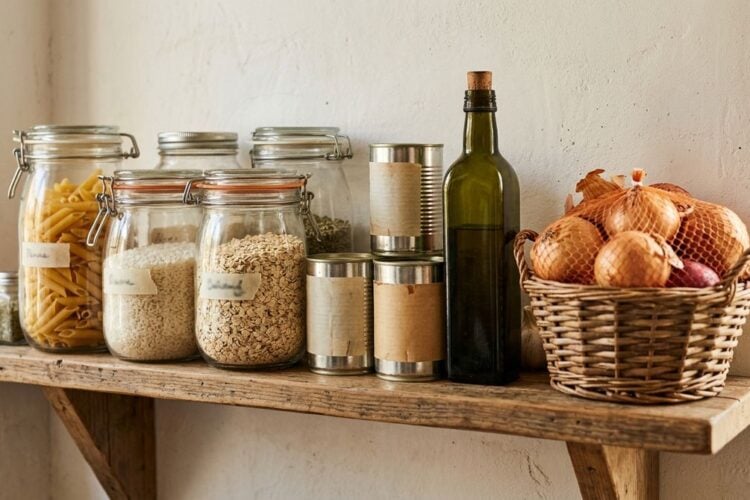
Many community groups now share a kitchen, whether it is in a village hall, a church room, or a neighbourhood centre. A shared kitchen can serve tea at meetings, support food projects, and welcome new members with a warm drink. Without a clear rota, however, the kitchen quickly becomes messy, and small disagreements can grow into bigger tensions. This article explains how to set up a fair and workable rota that keeps the kitchen clean, safe, and pleasant for everyone who uses it.
Why a rota matters
Shared spaces work best when everyone knows what is expected of them. A rota tells people when they are responsible for cleaning, restocking, or locking up, and it removes the guesswork. It also spreads the work across the group, so that one or two enthusiastic people do not end up doing everything. Fairness is the foundation of a happy shared kitchen. Fair rotas are also easier to keep up over a long period.
A rota also protects the building. When the kitchen is cleaned regularly, there is less risk of pests, spills, or faulty equipment going unnoticed. Owners of halls and centres are more likely to keep booking the room when they see that the group takes care of it.
Setting up the rota
Start by listing the regular tasks. These usually include washing up after each session, wiping surfaces, checking the fridge, refilling tea and coffee supplies, emptying bins, and locking up at the end of the evening. Group these tasks into a short checklist that any member can follow. Keep the list on the kitchen wall so that it is always visible.
Next, decide how the rota will work. Some groups assign a fixed person to each week, while others use a sign-up sheet where members choose the sessions that suit them. A mix of both often works well. Make sure that new members are included quickly, and give each person a clear idea of what they will be expected to do. Readers may also want to visit Meundies.
- Post the cleaning checklist on the kitchen wall.
- Share the rota digitally and on paper for people who prefer it.
- Rotate tasks so that everyone gets a variety of jobs.
- Name one person each session as the kitchen lead.
- Review the rota every few months and adjust it.
Keeping the kitchen safe
Safety is the most important part of any shared kitchen. Make sure that everyone knows where the first aid kit is, how to switch off the appliances, and what to do if something spills or breaks. Keep the floor clear of bags and boxes, and mop up any water promptly so that nobody slips.
Check food storage carefully. Label anything in the fridge with the date and the owner’s name, and throw away items that are past their best. Keep cleaning chemicals in a separate cupboard, away from food. Consider asking a local food safety officer to visit the kitchen if your group serves food regularly, as they can offer advice tailored to your setting. You can also visit under-news.com for more reading.
Managing disagreements calmly
Disagreements are almost inevitable in a shared kitchen. One person may feel that the sink is always left full, while another feels that the bins are never emptied. Address these issues early, in a friendly way. Talk privately with the person concerned, rather than raising the matter in front of others.
If the problem continues, return to the written rota and ask the group whether it still works. Sometimes a small change, such as swapping two tasks, resolves the issue completely. Make sure that the group agrees any changes, and write them down so everyone can see them.
Common mistakes to avoid
One mistake is assuming that everyone knows the rules. Many people are happy to help but do not know where the cloths are kept or how the dishwasher works. Hold a short induction for new members, and keep a simple guide in a visible place.
Another mistake is forgetting to restock. Nothing frustrates a volunteer more than arriving to find no milk or washing-up liquid. Appoint one person to check supplies each month, and keep a small shopping list in the kitchen so that anyone can add items as they run out. For a related read on this site, see How to Filter Digital Food Trends and Cook.
Finally, thank the people who keep the kitchen running. A shared kitchen only works when people feel valued, and a simple thank-you note on the notice board can go a long way. A well-kept kitchen is a sign of a group that cares about its members and the building it shares.