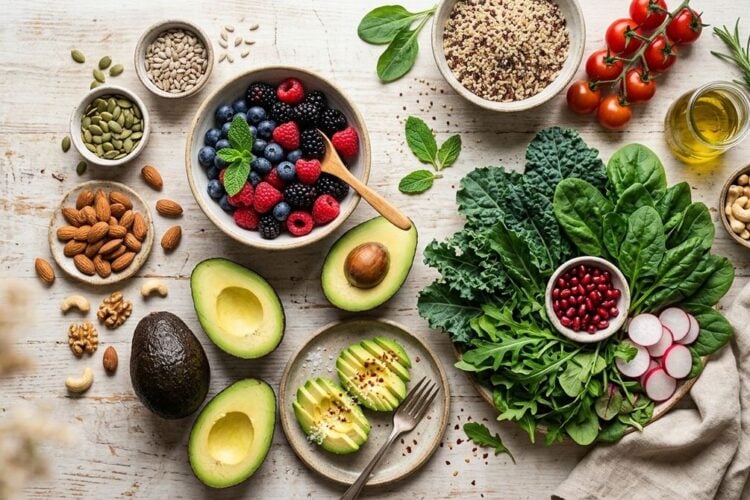
Food cost is typically the largest controllable expense in a food business. Bringing it under control — without compromising the quality that defines your brand — requires systematic thinking, supplier discipline, and operational creativity. Here’s how to do it.
Conduct a Menu Engineering Analysis
Not all menu items cost the same to produce, and not all generate the same margin. A thorough menu engineering analysis identifies which items are costing you disproportionately relative to their selling price. Items with very high food cost percentages need to be repriced or reformulated — or retired.
Standardize Every Recipe
Recipe standardization is one of the most powerful food cost control tools available. When every cook makes the same dish with the exact same quantities, your food cost becomes predictable and controllable. Without standardized recipes, portion sizes drift and food cost rises invisibly.
Control Portion Sizes Rigorously
Inconsistent portioning is a silent food cost killer. One cook who is generous with cheese or protein can easily add 2–3% to your overall food cost percentage. Train to standard portions, use portion tools (scales, scoops, ladles of specific sizes), and audit portions regularly.
Reduce Waste Through FIFO Inventory
First In, First Out (FIFO) — always using older inventory before newer — dramatically reduces food spoilage. Date and label all received inventory. Store products with the oldest dates at the front. Train every team member to follow FIFO without exception.
Source Smarter, Not Just Cheaper
The goal isn’t the cheapest ingredients — it’s the best value for your quality standard. Sometimes a slightly more expensive ingredient that has a longer shelf life, higher yield, or better flavor actually reduces your effective cost per serving. Readers may also want to visit thehomepicz.com.
Negotiate With Your Suppliers
Your suppliers want your business. Ask for volume discounts, early-payment discounts, or price locks on your highest-volume items. Build relationships with your sales reps — they often have discretion to offer better pricing to valued customers.
Use Whole Animals and Full Produce
Buying whole chickens, full sides of beef, and complete vegetable cases rather than pre-portioned, pre-trimmed products reduces unit cost significantly. The trade-off is butchering and prep labor, but for high-volume operations, the savings are substantial.
Seasonal Menu Alignment
Building your menu around seasonal, locally abundant ingredients reduces both cost and environmental impact. Seasonal produce at peak abundance is cheapest. You can also visit cordlessdrillhub.com for more reading.
Track and Respond to Variance
Calculate your theoretical food cost (what your cost should be based on standardized recipes and sales mix) and compare it to your actual food cost (what you actually spent) monthly. A growing gap between theoretical and actual signals a specific operational problem — waste, theft, portioning inconsistency, or recipe deviation.
Quality and Cost Are Not Opposites
The best food businesses understand that operational efficiency and ingredient quality reinforce each other. As Eat Well and Live Long demonstrates — genuine quality, delivered consistently and efficiently, builds the kind of customer loyalty that generates the revenue needed to sustain excellent ingredients. Efficiency funds quality; quality funds loyalty.