
Subscription boxes have created a steady retail channel for small, affordable consumer inventions. A curated box that ships every month needs a constant supply of fresh items, and that demand favors independent product developers who can offer something a shopper has not seen before. For an inventor with a low-cost gadget or accessory, a box placement can mean predictable volume without the cost and rejection risk of chasing a national retail shelf.
Why the box model favors new products
A subscription box holds subscribers through novelty. People keep paying when each shipment shows them a product they would not have found on their own, so the companies behind these boxes search constantly for items that feel new. That appetite is a real opening for a first-time inventor. A large brand often ignores a product that sells a few thousand units a year. A box curator treats that same product as a discovery worth featuring.
Small runs, real feedback
A box order also gives an inventor something a shelf rarely does: a clean read on demand. Ship a defined quantity, watch reorder rates, and read subscriber reactions. That data tells you whether a product has a future before you commit to a large production run.
Lower stakes than a national shelf
Winning placement in a national chain is slow and unforgiving. Buyers want proven sell-through, retail-ready packaging, and margins that survive a distributor cut. A box buyer works on a smaller scale and can test a few hundred units without betting a season on it. The Consumer Product Safety Commission oversees more than 15,000 types of consumer products, a reminder that any physical item sold to the public sits inside a real safety framework, so even a small run has to be built correctly. You can read the CPSC overview at cpsc.gov.
What a box buyer actually evaluates
Curators look at unit cost, packaging, a clear reason for the product to exist, and whether the design can be protected. A design patent, which covers the ornamental appearance of a product, is one way independent inventors defend a distinctive look. The United States Patent and Trademark Office explains the difference between design and utility protection at uspto.gov. Protectable design is part of why a buyer will commit to a product rather than wait for a copy to appear.
Design decisions decide the deal
Before a curator says yes, the product has to look finished. That is where presentation matters. Enhance Innovations, a product development firm in Champlin, Minnesota that has worked with inventors since 2010, builds virtual prototype packages of photorealistic renderings, CAD models, and optional animation, with design, engineering, marketing, and licensing handled under one roof. An analysis published by Enhance Innovations notes that buyers now judge many products from renderings and animation before any physical sample exists, which lets an inventor present a polished concept without paying to tool a full production sample first.
Small business, real market
The people building for these boxes are mostly very small operations. Small businesses make up 99.9% of United States firms, according to the SBA Office of Advocacy, whose data is published at sba.gov. A subscription box does not remove the work of designing, protecting, and manufacturing a product. It changes the first door an inventor has to open, and a smaller door is easier to walk through.
Packaging is part of the product
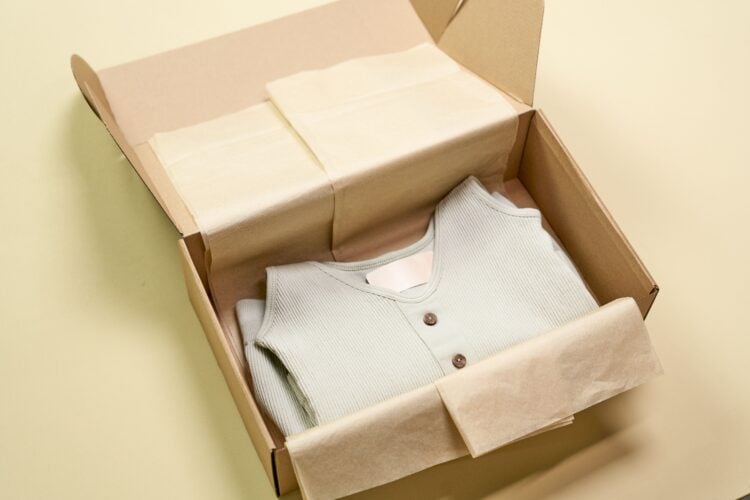
In a subscription box, the unboxing is the experience. A product that arrives in flimsy packaging or with an unclear purpose gets a shrug, and a shrug is what curators fear most. Packaging has to protect the item, explain it in a few seconds, and fit the size and weight limits the box operator works within. For an inventor, that means designing the package alongside the product rather than as an afterthought, and keeping the cost of that package inside a margin the curator can accept. A well-designed package is also part of how a product photographs, and box companies rely on photography to sell the next month’s subscriptions.
How to approach a box without overcommitting
The smart first move is a small, well-prepared pitch, not a warehouse full of inventory. Curators want to see a finished-looking product, a clear unit cost, and evidence that the inventor can deliver the agreed quantity on time. Presenting renderings and a short explanation of the problem the product solves is usually enough to start a conversation. That lets an inventor test interest before spending on a full production run, which keeps the early risk low. If the first box goes well, a curator will often come back, and repeat placements are where a small product finds a rhythm.
None of this ensures a placement or a sale. What the box model offers is a lower-risk way to test a real product with real buyers, which is a better starting point than a cold pitch to a national chain.