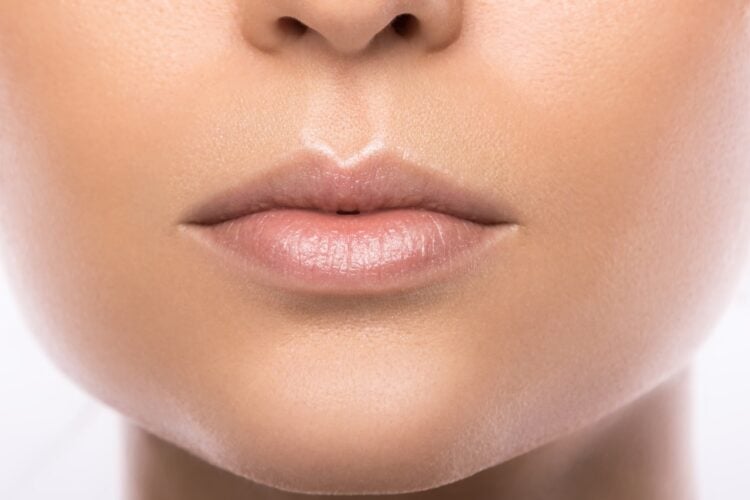
Lip filler delivers results you can see immediately—but like any aesthetic treatment, those results aren’t permanent. If you’re considering the procedure for the first time or thinking about a touch-up, understanding how long results typically last helps you plan your treatment schedule and set realistic expectations. The honest answer is that it depends. Several factors shape how long lip filler stays in place, and no two people experience exactly the same timeline.
The Typical Range
For most patients, lip filler lasts somewhere between six months and a year. Some people hold their results closer to that six-month mark; others maintain visible volume well beyond twelve months. A small number of patients see longevity that stretches even further with consistent maintenance treatments.
This variation is normal and expected. Lip filler is not a fixed material—it gradually breaks down in the body over time, which is part of what makes it a safe and widely chosen option.
Product Type Matters
Not all fillers behave the same way. Different hyaluronic acid formulations have different densities, cross-linking structures, and intended uses—and these properties affect how long results last. Products designed specifically for the lips tend to be softer and more flexible, which suits the area well but can mean they metabolize somewhat faster than denser formulations used in other parts of the face.
Your provider will choose a product based on your anatomy, goals, and the look you want to achieve. That choice also influences your timeline.
How Your Body Metabolizes Filler
One of the most significant variables is simply how your body processes hyaluronic acid. Some people metabolize filler quickly; others break it down slowly. This is largely biological and not something you can control, but it’s a key reason why two patients treated on the same day with the same product can have noticeably different timelines six months later.
Factors like hydration, overall health, and circulation can play a supporting role, but metabolism is the primary driver.
Movement Accelerates Breakdown
The lips are one of the most active areas of the face. Talking, eating, laughing, and expressing emotion all create consistent movement in the tissue where filler is placed. That ongoing activity means the product breaks down faster in the lips than it would in, say, the cheeks or temples—areas that experience far less repetitive motion throughout the day.
This is worth knowing going in. The dynamic nature of the mouth is simply part of why lip filler requires more frequent maintenance than some other treatment areas.
First-Time Versus Maintenance Treatments
Patients receiving lip filler for the first time often notice that their initial results don’t last as long as subsequent ones. This is a widely reported pattern. Over time, as the area is treated consistently, results tend to become more lasting. Some providers suggest this is related to gradual changes in the tissue or the cumulative effect of repeated treatments.
If your first round of filler feels shorter-lived than expected, that’s not necessarily a sign that something went wrong—it may simply be how your body responds early in the process.
Aftercare and Lifestyle Factors
How you care for your results matters too. Staying well-hydrated supports hyaluronic acid retention, since the molecule naturally attracts and binds water. Sun exposure, smoking, and significant stress can all accelerate the breakdown of filler and are worth minimizing regardless of your treatment goals.
Avoiding intense heat—saunas, very hot showers, strenuous exercise—in the days immediately following treatment is also commonly recommended, as heat can affect how the product settles.
Planning Your Maintenance Schedule
Most patients schedule a follow-up treatment somewhere between six and twelve months after their initial appointment, depending on how their results are holding. Waiting until the filler has fully dissolved before returning isn’t necessary—many providers recommend a maintenance appointment when results start to soften rather than disappear entirely.
The right timeline for you will come from an honest conversation with your provider, who can assess how your body responded and help you build a schedule that keeps your results consistent without over-treating.