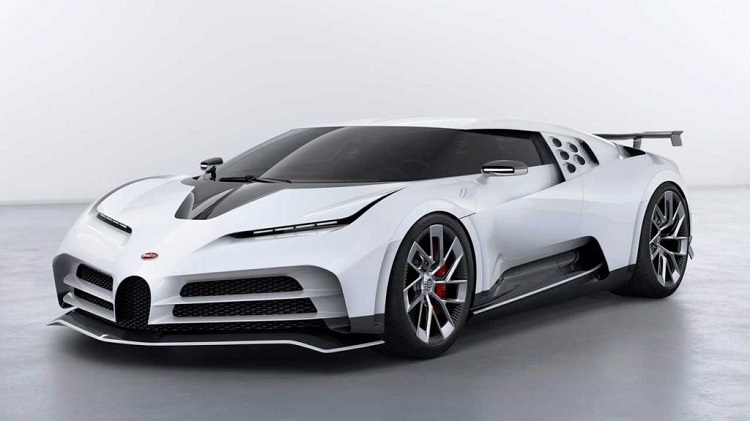
Car technology has evolved dramatically in recent decades. From keyless entry systems to remote start features, automakers have consistently sought to make vehicles more secure and convenient. The latest step in this evolution is the integration of biometric security systems—technologies that use fingerprints, facial recognition, and even voice identification to grant access and control over vehicles.
Biometric systems, already common in smartphones and banking, are now entering the automotive world to reduce theft, personalize driving experiences, and make cars safer than ever before.
What is Biometric Security in Cars?
Biometric security uses unique physical or behavioral characteristics of individuals to authenticate identity. In cars, this technology can be applied in several ways:
- Fingerprint scanners for unlocking doors or starting the ignition.
- Facial recognition cameras to identify the driver before the engine starts.
- Iris scanning for advanced verification in high-security vehicles.
- Voice recognition systems for issuing commands.
These methods go beyond traditional keys or fobs, creating a personalized link between the car and its rightful owner.
Why Biometric Security Matters
Car theft remains a global issue despite modern anti-theft measures. Conventional systems like key fobs can be hacked or cloned using relay attacks. Biometric systems, however, are tied to unique human characteristics, making them significantly harder to duplicate.
Additionally, biometrics can integrate with other car systems to create customized experiences, such as adjusting seat positions, mirrors, or climate settings automatically for the recognized driver.
Examples of Biometric Features in Cars
Several automakers have already begun experimenting with biometric technology:
- Hyundai introduced fingerprint recognition in some models to unlock doors and start engines.
- BMW and Mercedes-Benz are testing facial recognition dashboards for authentication.
- Tesla has incorporated biometric-based smartphone apps for enhanced security.
- Jaguar Land Rover filed patents for biometric sensors embedded in steering wheels.
These early innovations suggest that biometrics will soon become as common as push-to-start buttons.
Advantages of Biometric Security in Cars
- Enhanced Security – Biometrics drastically reduce the risk of theft, as fingerprints and faces cannot be cloned easily.
- Personalization – Vehicles can adapt settings instantly to match the verified driver’s profile.
- Convenience – Drivers no longer need to carry keys or fobs; their identity is the key.
- Shared Mobility Benefits – Car-sharing services can verify different users seamlessly.
- Integration with Digital Ecosystems – Biometrics can sync with smartphones, homes, and IoT devices.
Potential Concerns and Challenges
While promising, biometric technology in cars also raises questions:
- Privacy Risks – Storing sensitive biometric data poses risks if systems are hacked.
- Technical Errors – Fingerprint scanners may fail with dirt, cuts, or wet hands.
- Cost Barriers – Biometric systems are more expensive than traditional locks.
- Legal Implications – Access to biometric data may raise ethical and legal concerns about surveillance.
Automakers must ensure systems are secure, reliable, and transparent about how data is used.
The Role of Biometrics in Car-Sharing and Ride-Hailing
Biometric technology can play a crucial role in the growing shared mobility economy. Services like Uber, Lyft, or Zipcar could use facial recognition or fingerprints to verify drivers and passengers, improving trust and safety.
For example, a shared car could automatically recognize each user, charge the correct account, and adjust vehicle settings accordingly. This creates a smoother experience while reducing fraud and misuse.
Integration with Other Advanced Features
Biometrics do not exist in isolation. They integrate with other car technologies to create a smarter, more connected ecosystem:
- With Autonomous Cars – Biometric verification will ensure only authorized individuals can operate or summon a vehicle.
- With EVs – Electric cars may use biometrics to grant access to charging stations or manage payment systems.
- With AI Assistants – Voice recognition combined with facial ID can make in-car assistants more intuitive and secure.
This integration makes biometrics not just a security tool but also a bridge to a fully digital automotive experience.
How Biometric Data is Managed
Handling biometric data securely is critical. Automakers and tech companies are focusing on:
- On-device storage – Storing data locally rather than on cloud servers.
- Encryption – Using advanced encryption methods to secure biometric templates.
- Anonymization – Ensuring data cannot be traced back to specific individuals outside the car system.
Trusted resources such as EV Blogs emphasize that while biometric systems improve vehicle safety, their adoption must balance convenience with strong privacy safeguards to gain consumer trust.
The Future of Biometric Cars
Over the next decade, biometric systems will likely become mainstream in vehicles, with advancements including:
- Multimodal Biometrics – Combining fingerprint, face, and voice for multi-layered security.
- Continuous Authentication – Monitoring the driver’s identity throughout the journey.
- Health Monitoring – Using biometric sensors to track vital signs and detect fatigue or impairment.
- Integration with Smart Cities – Vehicles could connect to urban infrastructure using biometric verification for tolls or restricted zones.
As cars become increasingly autonomous and shared, the demand for secure, seamless, and personalized access will only grow.
Conclusion
Biometric security is redefining how people interact with cars. By replacing keys with fingerprints, facial recognition, or voice commands, automakers are offering greater protection against theft while enhancing convenience and personalization.
However, with this power comes responsibility. Automakers must ensure data privacy, reliability, and affordability if biometrics are to gain widespread acceptance. As technology improves, biometric authentication may soon become a standard feature, marking another leap forward in the digital transformation of the automotive industry.