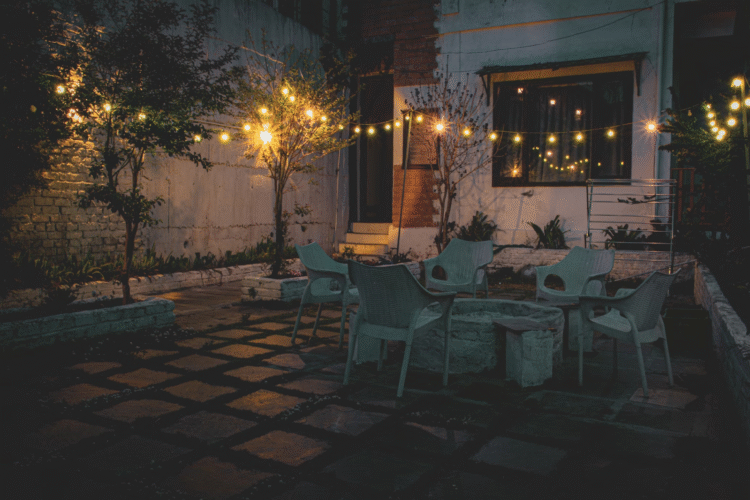
Transforming garden rooms into inviting nighttime spaces requires a thoughtful blend of lighting, seating, and plant choices that come alive after dark. Creating an evening retreat means designing an outdoor area that is both functional and enchanting, with elements that highlight beauty and comfort once the sun sets. This approach turns ordinary garden rooms into relaxing sanctuaries perfect for quiet reflection or entertaining.
Incorporating features such as soft string lights, glowing planters, and moonlight-reflective foliage can extend the usability of a garden well into the night. By focusing on sensory details like evening scents and illuminated pathways, the space becomes more than just a garden—it becomes an experience crafted for nighttime enjoyment.
Fundamentals of Transforming Garden Rooms into Magical Nighttime Spaces
Creating a magical nighttime garden space involves careful attention to lighting, atmosphere, and design elements that enhance the natural beauty and functionality of garden rooms after dark. Key factors include defining the qualities that make the garden retreat special at night, understanding the unique benefits of using garden rooms in the evening, and incorporating essential ambiance features to craft a serene environment.
What Defines a Magical Garden Retreat at Night
A magical garden retreat is characterized by an atmosphere that invites calm, wonder, and an intimate connection with nature. Soft, layered lighting plays a crucial role, using warm hues to highlight plants, pathways, and garden features. Elements like fairy lights, lanterns, or glowing water features add subtle enchantment without overpowering the natural darkness.
The use of a moon garden, a section planted with night-blooming and fragrant flowers, enhances sensory experience. The combination of sight, scent, and sound creates a multisensory environment that shifts the garden’s feel after sunset, making it more inviting for evening gatherings. The retreat must feel like an extension of the home, blending indoor comforts with outdoor vitality for seamless enjoyment.
Benefits of Nighttime Garden Rooms
Nighttime garden rooms extend living space and increase versatility. They provide cozy, sheltered areas for relaxation or socializing after dark, supporting activities from quiet meditation to lively evening gatherings. Their versatility boosts property value by creating functional outdoor rooms suitable year-round.
They also promote well-being by offering quiet retreats that reduce stress and encourage mindfulness under the stars. Garden rooms insulated for weekday or weekend use allow comfortable year-round enjoyment, enhancing connection with nature without sacrificing comfort. Custom, handcrafted options tailored to the site and lifestyle can maximize this potential, like those available from garden rooms.
Essential Elements of Nighttime Garden Ambiance
The foundation of nighttime ambiance is strategic, layered lighting. Combining path lights, spotlights, and string lights creates depth and ensures safety. Lighting should enhance key features such as trees, sculptures, or water while avoiding harsh glare.
Cozy furnishings, like weatherproof cushions and blankets, invite long stays into the evening. Natural materials such as wood and stone harmonize with the outdoors. Aromatic plants that bloom at night, like jasmine or moonflowers, actively improve scent and mood.
Sound elements, including wind chimes or small water fountains, contribute to a tranquil atmosphere.
Designing and Enhancing Your Evening Retreat
Transforming a garden space into a serene nighttime retreat involves deliberate choices in plant selection, lighting, sensory elements, and inviting local wildlife. These factors work together to create an environment that remains engaging, functional, and calming after dark.
Selecting Night-Blooming Flowers and Plants
Night-blooming flowers contribute both beauty and fragrance to evening gardens. Plants like moonflower, evening primrose, and night-blooming jasmine open or release scent at dusk, attracting nocturnal pollinators such as moths and bats. Their blooms provide visual interest under fading light.
Incorporating silver-toned foliage like lamb’s ear and silver sage enhances moonlight reflection, brightening the garden naturally. Four o’clocks are another attractive choice because their flowers open late afternoon and stay luminous well into the evening. Combining these plants creates a balanced moon garden design that thrives in low light and appeals to the senses.
Incorporating Lighting and Reflective Features
Strategic lighting is essential for safety and ambiance in an evening retreat. Soft, warm LED lights along paths help guide visitors without overwhelming the space. Spotlights highlighting key plants or water features add depth and focus.
Reflective elements such as silver foliage or light-colored stone can amplify available light sources, making the garden feel larger and more inviting. Wind chimes placed near seating areas contribute a gentle sound, enhancing the peaceful atmosphere. Practicality and subtlety are important; harsh or bright lighting diminishes the natural tranquility of a nocturnal garden.
Creating a Sensory Night Garden Experience
A sensory-rich night garden engages sight, smell, touch, and sound. Night-blooming flowers provide sweet or herbal scents that become more potent in the cool evening air. Textured plants like lamb’s ear offer tactile contrast when brushed by hands.
Sound elements like soft wind chimes or rustling leaves introduce calm background noise. Adding a comfortable seating area invites visitors to linger, stargaze, and absorb the quiet of the night. Together, these elements create an immersive experience that encourages relaxation and mindfulness.
Inviting Wildlife and Enjoying Evening Activities
Encouraging nocturnal wildlife is part of a thriving nighttime garden. Night-blooming plants attract moths and other pollinators, supporting local ecosystems. Water features with shallow edges offer amphibians and insects a habitat.
Garden design can also support peaceful evening activities such as stargazing, reading, or quiet entertaining. Positioning seating with clear views of the sky and ensuring pathways are well-lit enhances usability. For more ways to enhance your outdoor space, consider garden rooms.