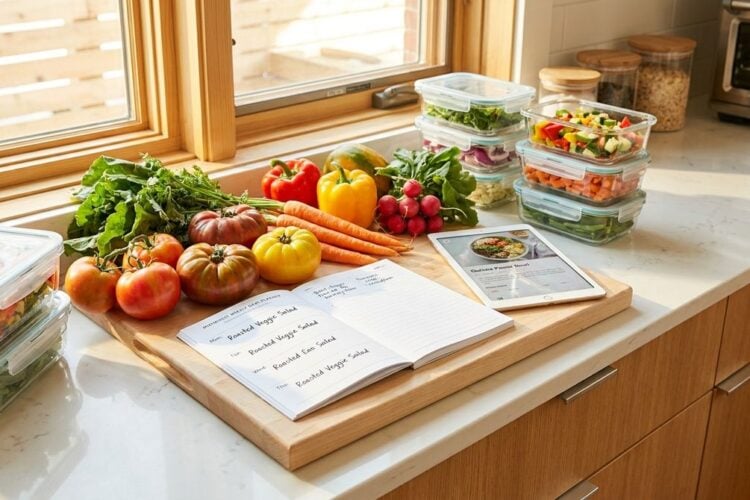
The demand for thoughtful, home-cooked food has created an exciting opportunity for passionate cooks. Many busy households want wholesome, tailored dinners without spending hours shopping, chopping, and cleaning each evening. Launching a boutique meal prep service allows an independent cook to translate kitchen talent into a dependable culinary venture. Unlike a traditional restaurant with heavy overhead and unpredictable shifts, personal meal prep offers structured hours and direct connections with the people you feed. You create food that directly influences the weekly rhythm of family life, making the work both creative and deeply fulfilling.
Stepping into this field requires more than just making delicious family recipes. It demands disciplined planning, clear communication, and an adaptable approach to cooking. When you design weekly menus tailored to specific households, you become an essential partner in their daily wellness and comfort. Navigating diverse dietary preferences and keeping grocery costs balanced tests your resourcefulness as a food professional. By starting with focused service offerings and steady operational habits, you can build a stable cooking business that fits your personal schedule.
Defining Your Core Culinary Strengths and Concept
Every successful food business begins with clarity about what you do best. Some chefs excel at hearty rustic braises, while others specialize in vibrant plant-based dishes, allergen-aware baking, or nutrient-dense family classics. Trying to offer every culinary style to every client leads quickly to burnout and chaotic grocery lists. Instead, choose a select set of culinary pillars that highlight your natural strengths and allow you to source ingredients efficiently.
Starting a culinary service requires an honest evaluation of your personal pacing, kitchen strengths, and weekly capacity. Crafting a simple business plan keeps your initial overhead low while you test recipes and establish basic operations. If you are looking for structured guidance on mapping your operational weaknesses and scaling sustainably, the business development guides at slowlie.net provide practical advice for keeping early growth manageable.
Once you define your culinary focus, determine your working format. Some personal chefs prepare meals directly in the client’s home kitchen, while others work out of rented commissary kitchens and deliver finished containers. Cooking on-site requires minimal equipment investment because you utilize the client’s range and oven, though you must carry your own trusted knives, sheet pans, and specialty utensils. It also allows clients to smell the aromas of fresh cooking in their home. Commissary production allows you to batch multiple client orders simultaneously, but it introduces storage fees, commercial insurance requirements, and transportation logistics.
Understanding Client Dietary Demands and Customization
A boutique meal prep business relies on deep personalization. During initial client consultations, walk through their typical weekly routines, favorite comfort foods, disliked textures, and strict dietary avoidances. Understanding whether a family needs quick grab-and-go lunches, hearty weeknight dinners, or balanced post-workout snacks shapes how you structure their weekly menu. Inquiring about how often they eat out or travel prevents over-prepping food that goes uneaten.
A sustainable chef service thrives when you listen attentively to how clients actually eat throughout the week. Paying close attention to client feedback allows you to refine portion sizes, adjust seasoning levels, and introduce dishes that match their daily habits. Exploring the operational frameworks shared by opensolutionsalliance.org can help you organize customer feedback systems and adapt your services to genuine consumer expectations.
Take meticulous notes on food allergies and intolerances. Cross-contact in personal cooking can carry serious consequences, so establish clear protocols for sanitizing tools and sourcing certified gluten-free or nut-free ingredients when required. Transparent communication about where you shop and how you handle allergens creates immediate peace of mind for prospective clients.
Designing Menus That Hold Texture and Flavor
Cooking food intended for reheating requires a different mindset than plating immediate restaurant meals. Delicate garnishes, crispy fried coatings, and fragile sauces rarely survive refrigeration and microwave warming. Instead, build your repertoire around resilient dishes that develop richer flavor after resting, such as slow-cooked stews, marinated roasted vegetables, grain pilafs, and layered baked pastas.
Keep sauces, vinaigrettes, and crunchy toppings in separate small containers. Storing a bright herb chimichurri, toasted seed blend, or pickled shallots apart from the main protein prevents sogginess and lets clients customize each plate at the table. Dressings break down crisp greens when mixed too early, so keeping elements separate preserves the crisp bite of fresh salads. When roasting vegetables, pull them from the oven just shy of full tenderness so that subsequent reheating does not turn them mushy.
Clients often request plain, unseasoned proteins for young children or even household animals who require gentle nutrition. When preparing delicate proteins like cod, salmon, or whitefish alongside standard family meals, careful temperature management is essential to prevent drying out. For detailed guidance on preparing clean, unseasoned seafood safely, review our article on safe methods for poaching fresh fish before assembling delicate seafood portions.
Establishing a Streamlined Cook-Day Workflow
Efficiency in the kitchen determines whether your cooking days are enjoyable or exhausting. Group your tasks systematically rather than preparing one recipe from start to finish before beginning the next. Professional cooks rely on smart overlapping techniques to maximize every minute at the cutting board and stove. Wash and chop all produce in a single dedicated prep block, arrange your sheet pans, and coordinate your oven space so multiple dishes bake concurrently.
Adopting an organized sequence helps you maintain momentum and keep your workspace sanitary throughout long cooking sessions:
- Review grocery receipts and inspect fresh ingredients before unpacking.
- Complete all vegetable chopping, trimming, and marinades during initial prep.
- Simmer long-cooking grains, legumes, and braises while roasting trays in the oven.
- Cool finished dishes rapidly on wire racks before transferring them into storage containers.
Invest in quality, uniform glassware with locking lids. Standardized containers stack neatly in the client’s refrigerator, maximize shelf space, and present a professional, polished appearance. Glass also reheats evenly and prevents stubborn oil stains or lingering aromas from acidic marinades. Affix printed or neatly handwritten labels to every lid specifying the dish name, prep date, and straightforward reheating instructions, including whether to use an oven, stovetop, or microwave.
Building Trust and Fostering Client Retention
In-home culinary service is an intimate business. Clients invite you into their personal living spaces, entrust you with their kitchen appliances, and rely on your food to nourish their families. Leaving the kitchen spotless at the end of every session is just as important as the flavor of your cooking. A client who returns home to a sparkling kitchen and an organized refrigerator feels an immediate sense of relief. Clean stove grates, wipe down countertops, wash all pots, and take out the kitchen trash before packing your tools.
Maintain open, predictable communication about upcoming menus. Send menu proposals several days in advance, giving clients ample time to request substitutions or adjust portion counts for visiting guests. Consistent reliability, respectful privacy boundaries, and attentive adjustments turn first-time trials into loyal weekly accounts that sustain your independent culinary career.