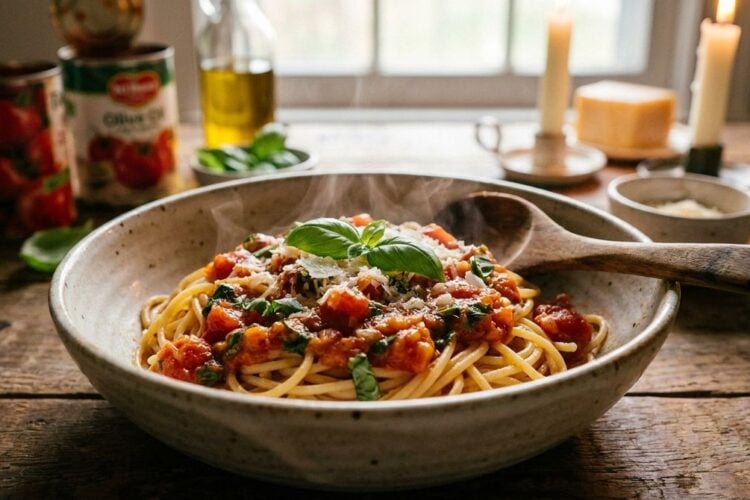
Fresh pasta offers a depth of texture, aroma, and flavor that commercial dried alternatives cannot replicate. For passionate cooks and culinary professionals, turning a dedication to rolled egg dough and simmered heritage sauces into an independent enterprise is a rewarding venture. Home cooks are actively looking for fresh, restaurant-quality meal foundations that assemble remarkable dinners with minimal preparation time. Launching a small-batch artisanal pasta company lets you combine traditional kitchen heritage with contemporary specialty food operations.
Transitioning from rolling small batches of tagliatelle for family gatherings to maintaining dependable retail production demands careful planning. Long-term viability requires standardized dough formulations, dependable sourcing, organized prep routines, and packaging that preserves delicate shapes during handling. By anchoring your workshop in culinary excellence and structured operating principles, you can develop a distinctive culinary brand that earns enthusiastic community loyalty.
Refining Your Core Pasta and Sauce Selections
Beginning with an uncluttered, tightly edited menu is far more effective than trying to offer every traditional regional shape right away. An overly ambitious lineup complicates production schedules, increases raw ingredient spoilage, and confuses new shoppers. Consider focusing your initial collection on two versatile dough formulas: a rich egg dough rolled into wide ribbons, and an eggless durum semolina dough mixed with water to craft sturdy extruded shapes such as rigatoni, campanelle, or cavatelli.
Dough performance varies depending on flour absorption, seasonal humidity, and ambient room temperature. Hand-rolled pasta requires sufficient resting time to relax gluten networks, ensuring tender chew rather than toughness. Extruded shapes require exact moisture balance so the dough passes cleanly through brass dies without sticking or tearing. Maintaining detailed kitchen logs of your mixing times, resting periods, and extrusion settings will help you reproduce identical texture across every batch.
Your companion sauces should highlight pairing harmony and seasonal variety. Sturdy extruded noodles excel at holding coarse vegetable pestos and slow-simmered braised ragus, while delicate egg ribbons shine when coated in tomato reductions, cultured butter emulsions, or herb-infused finishing oils. Stability during storage is essential. Emulsions that appear silky in a warm pan can separate when refrigerated. Test your sauces through repeated cooling and gentle reheating cycles to ensure the starch and fat binding holds firm on the customer’s stovetop.
Sourcing Quality Grains and Protecting Ingredient Integrity
Because artisan pasta relies on a minimal list of raw ingredients, every single component must meet demanding culinary standards. Sourcing finely ground durum wheat semolina, coarse stone-ground heritage grains, and pastured eggs directly influences tensile strength, elasticity, and golden color. Partnering directly with regional grain farmers and local millers provides complete ingredient traceability, which appeals strongly to mindful consumers who appreciate knowing where their food is cultivated and processed.
Culinary producers must also balance ingredient integrity with realistic commercial purchasing practices. Global grain markets, shipping conditions, and shifting harvest yields regularly impact the availability and cost of specialty flours, olive oils, and canned tomatoes. Staying informed about broad economic trends and supply chain shifts through resources like businessnewsinc.com helps food business owners prepare for wholesale fluctuations well before raw material constraints disrupt daily production schedules. Establishing dependable relationships with alternative regional distributors guarantees your production lines keep running smoothly even during market shortages.
Establishing Sanitary Production and Packaging Standards
Fresh pasta is a delicate, moisture-dense food product that requires strict cleanliness and diligent temperature controls. Whether operating in a shared commissary, an incubator space, or a dedicated manufacturing studio, logical workflow division is mandatory. Raw grain handling and dry flour dusting must remain physically separated from finished sauce bottling and packaging zones to eliminate mold spores and airborne flour contamination. Implementing regular sanitation schedules, surface swabbing, and clear lot tracing provides the structural foundation of a safe food enterprise.
Culinary founders who have previously explored our guide on launching a boutique private flight kitchen understand how crucial uninterrupted cold chains and sanitized prep lines are to high-end food operations. Fresh dough discolors and oxidizes quickly when exposed to humid room air, while filled parcels like agnolotti or ravioli risk weeping if moisture migrates through delicate pasta walls. Chilling dough sheets rapidly and dusting cut shapes with coarse rice flour keeps shapes distinct and prevents clumping.
Carefully chosen packaging materials protect both product freshness and aesthetic appeal on the shelf:
- Breathable, rigid paperboard boxes with food-grade liners that shield delicate folded ribbons from physical crushing.
- Modified atmosphere containers or sealed pouches that restrict oxygen exposure to prevent premature discoloration.
- Hermetically sealed glass jars or tamper-evident bottles for hot-filled sauces to seal in delicate herb aromatics.
- Clear, grease-resistant labels detailing simple boiling guidelines, pairing recommendations, storage requirements, and clear allergen notifications.
Cultivating Effective Management and Workflow Discipline
Running a food company demands equal dedication to kitchen craft and administrative routine. In the initial phases of business, passionate founders often commit all their daylight hours to mixing, rolling, and simmering, leaving vendor orders, invoicing, and marketing to fatigued late hours. Establishing structured weekly calendars where distinct blocks of time are designated specifically for bulk manufacturing, order fulfillment, machine cleaning, and client communications brings peace of mind and preserves long-term stamina.
Even with exceptional recipes and satisfied repeat shoppers, small culinary enterprises require routine operational reviews to remain sustainable. Taking time to evaluate your management framework on rea-evolution.com provides practical guidance for reviewing kitchen workflows, evaluating marketing channels, and refining customer acquisition systems. Stepping back periodically to analyze how smoothly your kitchen operates allows you to identify hidden bottlenecks, trim unnecessary operating waste, and maintain healthy margins as order volumes increase.
Balancing Wholesale Partnerships with Direct Customer Sales
Specialty pasta enterprises generally flourish by developing a healthy balance between direct sales and wholesale distribution. Local farmers markets, neighborhood pickup programs, and weekly subscription boxes connect you directly with food lovers who appreciate home cooking. These face-to-face interactions offer priceless culinary feedback, allowing you to gauge consumer interest in experimental seasonal fillings, test unique herb infusions, and build a dedicated community of enthusiastic brand advocates.
At the same time, cultivating wholesale partnerships with neighborhood specialty grocers, independent butcher shops, and artisan cheese stores provides steady, predictable sales volume. While wholesale accounts offer smaller margins per unit than direct retail, consistent weekly orders help stabilize cash flow across slower seasonal periods. Providing retail partners with clear delivery schedules, vibrant point-of-sale display cards, and product tasting samples encourages grocery staff to recommend your fresh cut pasta and sauces confidently to their shoppers.
Building a respected artisanal fresh pasta and sauce brand requires an enduring commitment to kitchen precision, food safety, and sound business management. By respecting the traditions of flour and water while implementing organized production systems and attentive customer service, you can establish an enduring place in your regional food community. When artisanal cooking dedication is matched by reliable business organization, a boutique pasta workshop can nourish loyal tables for decades to come.