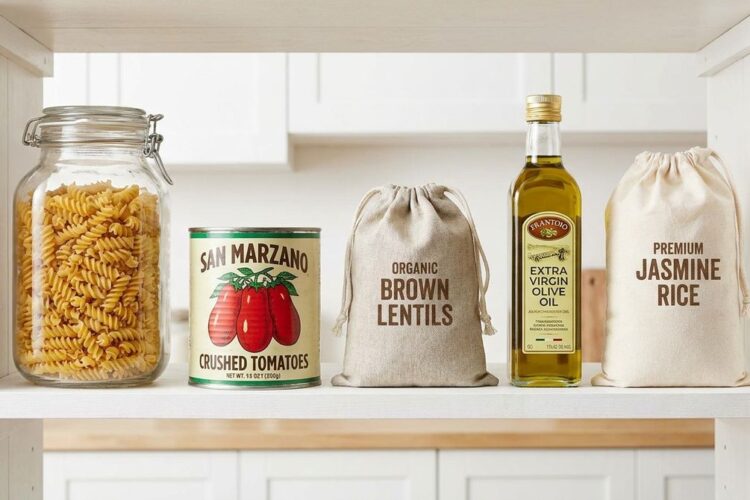
A well-organized pantry is the cornerstone of a functional and creative kitchen. Rather than viewing the pantry simply as a storage space for dry goods, it is helpful to see it as a library of possibilities. When your shelves are stocked with versatile foundations, the transition from an idea to a finished meal becomes significantly more fluid. Developing this resource requires attention, but the effort rewards the home cook with a consistent ability to prepare nourishing food without needing to plan every detail in advance.
The true advantage of a pantry-forward approach is not just convenience, but the freedom to experiment. When you have reliable staples on hand, you can adapt recipes based on what is available, rather than feeling restricted by a specific shopping list. This mindset shift encourages a deeper understanding of how flavors interact, turning everyday cooking into a more intuitive and rewarding practice.
The Philosophy of Preparedness
Preparedness in the kitchen is not about hoarding ingredients, but about ensuring that what you have is useful and accessible. The most effective pantries are built on a balance of universal staples and personal favorites. Start by identifying the ingredients you reach for most often, whether they are grains, legumes, or specific oils and vinegars. By anchoring your pantry with these items, you create a baseline that supports a wide range of cooking styles, from quick weekday dinners to more involved weekend preparations.
Regular maintenance is essential to this philosophy. Periodically reviewing your supplies helps to prevent the accumulation of items that may lose their quality over time. A pantry that is easy to navigate allows you to see exactly what you have, which reduces the likelihood of duplicate purchases and ensures that your ingredients remain fresh and potent. When you know your inventory, you become more confident in your ability to craft a meal on short notice.
Curating Your Essential Pantry Staples
Focusing on versatility is the key to curating a successful pantry. Rather than looking for complex ingredients, prioritize items that can function in multiple roles. Grains such as rice, quinoa, or farro provide a neutral base for endless combinations. Legumes, including lentils and beans, are equally valuable, offering texture and substance to soups, salads, and main dishes. These items are durable, reliable, and form the backbone of many enduring culinary traditions.
Beyond dry goods, a collection of high-quality fats and acid-based ingredients is crucial. Oils for cooking, along with finishing oils, allow you to control the depth of flavor in your dishes. Vinegars and citrus-based alternatives provide the necessary brightness to balance rich foods. Keeping a range of spices and dried herbs also allows you to shift the profile of a meal instantly, adapting a base of grains and vegetables to suit different flavor preferences.
Strategic Sourcing for the Home Cook
Building a quality pantry does not need to be a stressful or overly complex process. It is about understanding the value of the products you bring into your home and seeking out reliable sources that prioritize consistency. Finding ingredients that maintain high standards of quality can make a noticeable difference in the final outcome of your cooking, providing a cleaner and more distinct flavor profile.
When looking to expand your supply or replace staples, it can be advantageous to look for resources that simplify the shopping process while maintaining focus on value and reliability. Many home cooks find that using specialized online platforms helps them discover quality products that might not be easily accessible in local stores. For those interested in this approach, shaftdeals.com provides a useful perspective on finding quality products that balance time and resources, allowing you to focus on the cooking itself rather than the logistics of finding reliable ingredients.
Finding Inspiration in Unexpected Sources
Inspiration for your home cooking often comes from sources outside of traditional recipe books. Expanding your culinary perspective can be as simple as engaging with news and stories that broaden your understanding of the world. Strange or unusual news stories, particularly those highlighting unique food practices or regional specialties from distant locations, can spark an idea for a new dish or a different way to prepare a familiar ingredient.
When you encounter a story about an unfamiliar ingredient or a unique cooking technique, consider how you might adapt it to your own pantry. Embracing this sense of curiosity helps to keep your cooking fresh and engaging. For a different angle on current events and stories from around the globe, igiveonline.com offers a collection of information that can provide those unexpected sparks of inspiration, encouraging you to see your pantry ingredients through a new lens.
Integrating Mindful Preparation Techniques
The way you approach cooking is just as important as the ingredients themselves. When you are prepared, you can afford to slow down and enjoy the process of bringing a meal together. Taking the time to properly prep your ingredients, to focus on the textures, and to adjust flavors as you go, transforms the cooking experience from a task into a mindful activity. If you are interested in exploring how this approach impacts your cooking routine, you might enjoy reading more about the mindful benefits of slow cooking, which highlights how intentional preparation fosters a greater connection to the food you create.
To begin integrating this approach into your daily routine, consider these practical steps for maintaining your pantry and your culinary mindset:
- Conduct regular inventory checks to understand what you have on hand before planning any meals.
- Store items in clear containers to keep them visible and to help maintain freshness for longer periods.
- Group ingredients by their function, such as keeping all grains together or oils and vinegars in a single accessible location.
- Practice adaptation by trying to use a pantry staple in a new way each week, such as using a different grain in a familiar soup.
Focusing on these habits makes it easier to keep your kitchen organized. When you feel comfortable in your workspace, you are more likely to enjoy the time you spend there, and the resulting meals often reflect that care and attention. Cooking becomes a rhythmic, habitual practice rather than a series of disconnected efforts.
Ultimately, a well-curated pantry is a tool for self-reliance in the kitchen. It reduces the dependency on frequent trips to the store and encourages a more creative use of ingredients. By curating your staples thoughtfully, sourcing quality products that align with your needs, and maintaining a curious and mindful approach, you create a foundation that supports your cooking for many meals to come.