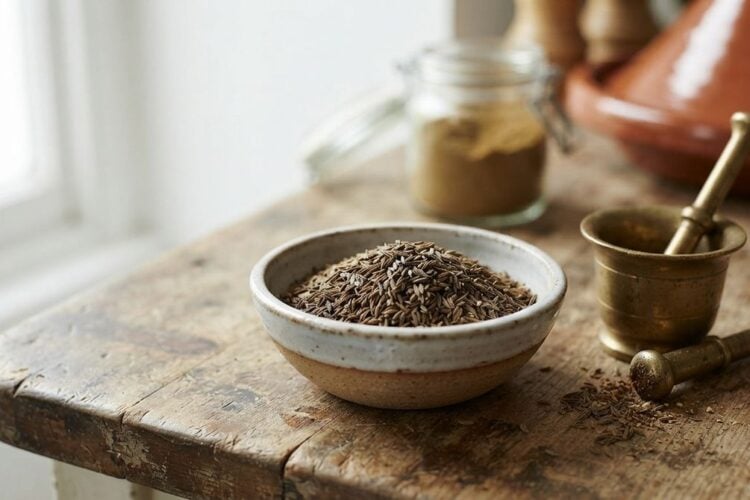
Cooking authentic dishes from around the world requires genuine ingredients that carry the precise flavors, aromas, and textures intended by traditional recipes. When you prepare a regional dish with generic substitutes from a local supermarket aisle, the results often fall flat. A recipe designed around cold-pressed olive oil, single-variety dried chiles, or naturally fermented soy sauce demands the true character of those original staples.
Finding genuine imported goods can initially feel intimidating. Modern grocery shelves are crowded with products dressed in misleading flags and deceptive packaging designed to mimic artisan goods. Learning how to identify authentic products, track international supply changes, and locate reputable purveyors transforms your pantry from a collection of ordinary groceries into an inspiring foundation for world cuisine.
Understanding Origin Seals and Regional Certifications
The first step toward building an authentic international pantry is learning to read labels beyond marketing buzzwords. Many countries maintain legal standards to protect traditional food producers from industrial imitation. Protected designations of origin establish strict geographical boundaries, defined harvesting methods, and historic processing techniques that producers must follow to carry an official seal on their packaging.
When shopping for aged cheeses, vinegars, or cured meats, look for official regulatory emblems rather than vague terms like artisan or traditional style. In other parts of the world, government export agencies and farming cooperatives issue similar verified stamps of authenticity. These marks assure you that the product was harvested in its native soil, cured according to custom, and inspected before export.
Understanding these distinctions is an essential skill when connecting global culinary trends to everyday cooking without losing the cultural integrity of the original dishes. Genuine spices, fermented pastes, and stone-milled grains possess chemical balances and moisture levels that commercial imitators cannot duplicate. Checking for regional seals prevents disappointing results when recreating classic meals at home.
Tracking World News to Anticipate Ingredient Availability
Specialty imported goods are vulnerable to international conditions that rarely affect mass-market household staples. A severe drought directly shapes the harvest volume and flavor intensity of regional olive oils. Geopolitical friction in shipping corridors can delay spice shipments, while shifting trade policies can suddenly raise tariffs or complicate customs clearance for fermented goods.
Home cooks who follow international developments can anticipate ingredient shortages long before local shelves empty. Monitoring trade updates, agricultural climate reports, and international logistics headlines through platforms such as airdemon.net gives you valuable context on when crops thrive or face hurdles overseas. Knowing that an unexpected cold snap damaged citrus groves or that rains disrupted spice drying helps you plan purchases thoughtfully.
This awareness allows you to make informed decisions without panic buying. When you know a particular region faces shipping bottlenecks, you can buy a bottle of single-origin sesame oil ahead of time or seek an alternative variety from an unaffected neighbor. Reading international news through a culinary lens connects the daily realities of world farmers directly to your kitchen.
Learning the Human Narratives Behind Regional Goods
True culinary tradition is fundamentally about people, families, and cultural heritage. Behind hand-stretched noodles, sun-dried chiles, and barrel-aged soy sauces are communities that have refined their craft over generations. Understanding these human contexts enriches your appreciation of the ingredients and teaches you how to treat them with care during food preparation.
Many small culinary artisans and regional producers lack massive marketing budgets, relying on word of mouth and community journalism to share their craft. Reading personal essays, travel accounts, and cultural reflections on community platforms like Sali Blog helps you discover the family customs that keep traditional foodways alive. These narratives often reveal practical tips, such as why a regional flour needs extended resting or why a pepper paste should only be bloomed in gently warmed fat.
When you view ingredients through the lens of human stories rather than mere pantry items, your cooking changes. You begin to appreciate the patience required to ferment a fish sauce or the labor involved in hand-harvesting delicate saffron. This appreciation inspires you to handle premium goods with intentionality, avoiding waste and honoring the culinary lineages that made them possible.
Exploring Neighborhood Markets and Specialized Importers
While large online marketplaces offer convenience, independent ethnic grocery stores remain the most rewarding places to purchase authentic imported staples. Neighborhood grocers cater to local communities who demand the exact ingredients they grew up using, ensuring a turnover rate that keeps products fresh and true to traditional recipes.
Entering an unfamiliar specialty grocery store can feel overwhelming, but approaching the experience with curiosity makes it an educational routine. The staff and proprietors at independent international markets usually possess extensive knowledge about their inventory and can recommend reliable brands based on how dishes are actually cooked in their homelands.
To make the most of your trips to international markets, focus on a few basic investigative practices:
- Inspect the import label on the back of the package to confirm the country of origin and distributor details.
- Check the packaging integrity of vacuum-sealed spices, whole dried grains, and glass containers for airtight seals.
- Look for short ingredient lists that omit artificial stabilizers, synthetic colorings, and unnecessary chemical preservatives.
- Observe which brands the regular community patrons purchase most frequently from the shelves.
If local specialty stores are unavailable in your immediate area, seek out independent online purveyors who specialize in direct relationships with specific regions. Dedicated importers who focus on Japanese pantry essentials, Mexican dried chilies, or Middle Eastern grains often provide detailed background information on harvest dates, milling methods, and recommended culinary uses right on their product listings.
Proper Storage Methods to Protect Delicate Imports
Acquiring authentic ingredients is only half the battle; preserving their flavor compounds until you cook with them is equally vital. Aromatic spices, unpasteurized fermented pastes, and fragile cold-pressed oils degrade rapidly if exposed to heat, air, humidity, or direct sunlight. Using improper storage can ruin an expensive imported pantry staple within weeks.
Always transfer whole spices, dried peppers, and specialty flours to clean, airtight glass jars immediately after opening the original packaging. Keep them stored in a dark, cool cupboard away from the steam and radiant heat produced by your stovetop or oven. High temperatures accelerate oxidation, stripping ground spices of their essential oils and leaving them tasting flat.
Liquid staples like cold-pressed seed and nut oils, delicate vinegars, and artisanal fish sauces require tailored storage environments. Store unrefined oils in tinted glass bottles in cool pantries, or refrigerate fragile varieties such as walnut oil to keep them from turning rancid. Fermented pastes and bean condiments should remain chilled with their lids firmly fastened to slow down ongoing fermentation and prevent drying out.
Taking the time to source authentic ingredients and care for them properly elevates everyday cooking into a meaningful exploration of global food traditions. By understanding official regional labels, staying aware of international events, learning producer histories, and maintaining meticulous storage habits, you can create memorable meals that remain faithful to their cultural origins.