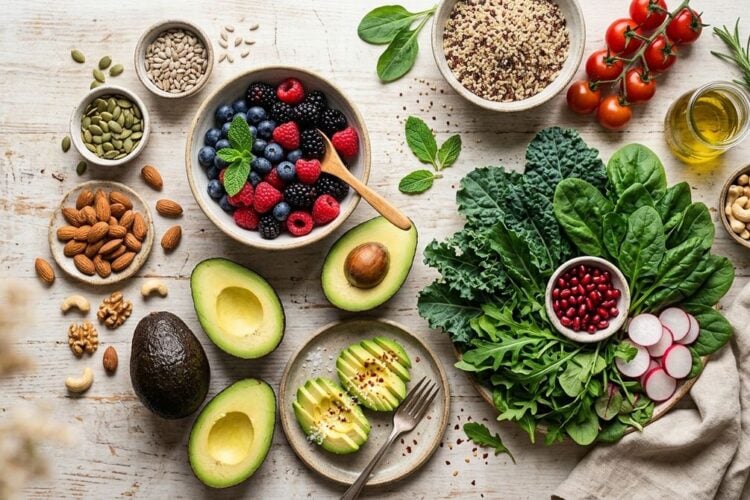
Meal prep can sound like a job for adults with large kitchens and spare evenings, yet it works well for students who are juggling classes, part-time shifts and a busy social life. The idea is simple: prepare a few components in advance so that weekday meals take minutes rather than an hour. This article sets out a realistic approach for teenagers, along with practical advice for the adults who help them. The aim is food that is tasty, varied and affordable, not a rigid plan that collapses by Wednesday.
Why preparation makes a difference
Many skipped meals and unhealthy snacks have a simple cause: nothing ready when hunger arrives. When a young person is tired after school or training, the easiest option is often the most processed one. Preparing even a small amount of food changes that moment. Grains can be cooked in advance, vegetables can be chopped and a sauce can be stored in a jar. The result is less decision-making and more freedom to eat something satisfying.
Adults often find that preparation also creates a shared routine. Cooking together on a quiet afternoon teaches basic skills, from knife safety to measuring, and gives the young person ownership of their meals. Readers may also want to visit butlerdispatch.com.
Planning the week before shopping
Good meal prep begins with a plan. Look at the coming week and note the busy days, the late nights and the days with sport or work. On heavy days, plan meals that need almost no preparation. On quieter days, the prep can be bigger. Write a short list of meals and the ingredients each one needs, then shop from that list. Avoid buying ingredients that will not be used before they spoil.
Think about overlap as well. A pot of rice or a tray of roasted vegetables can appear in several meals with different sauces or toppings. Overlap reduces waste and makes shopping quicker. A single well-cooked base can become three distinct dinners with a little imagination.
Batch cooking the staples
Choose a small set of staples to cook in batches. Good candidates include a grain such as rice or couscous, a tray of roasted vegetables, a pot of beans or lentils, and a simple protein such as baked chicken, tofu or eggs. Cook these items in one session, using two baking trays and a large pot. Let them cool before storing, which keeps textures better and reduces condensation in containers.
Flavour is what keeps prepared food interesting. Keep a few sauces and seasonings on hand, such as a tomato sauce, a yoghurt dressing, a chilli paste or a lemon and herb mix. Adding a different sauce each day can make the same base feel new. You can also visit casetify for more reading.
Storage and food safety
Safe storage keeps batch cooking worthwhile. Cool food quickly, store it in clean, sealed containers and place it in a refrigerator promptly. Label each container with the date it was made. For a related read on this site, see Quick Weeknight Dinners When You Cook Alone. Check the guidance that applies in your region, because recommended times can vary.
Keep these basic habits in mind:
1. Wash hands and surfaces before and after handling raw meat or eggs.
2. Keep raw and cooked foods on separate boards and containers.
3. Reheat leftovers until they are steaming hot all the way through.
4. Throw away food that has been left out for a long time or looks unusual.
5. Eat prepared meals within the time suggested for their type.
Keeping the routine enjoyable
Meal prep works best when it feels like a choice, not a punishment. Let the young person pick at least one meal each week, and rotate the flavours so nothing becomes boring. Play music or a podcast while cooking, or invite a friend to help. If a week goes badly, skip the prep and buy something sensible instead. Missing one session does not ruin the plan.
Over time, the goal is to reduce stress around food rather than to create a perfect routine. A young person who can open a container, add a sauce and sit down to eat is already gaining an important skill. Adults can support this by praising effort rather than only inspecting how tidy the fridge looks.
Meal prep is a practical tool for busy students, and its benefits come from consistency rather than perfection. Start small, prepare two or three staples and build the routine gradually. If a young person has specific dietary needs, a qualified dietitian or a doctor can give personalised advice, and that guidance should always come first.