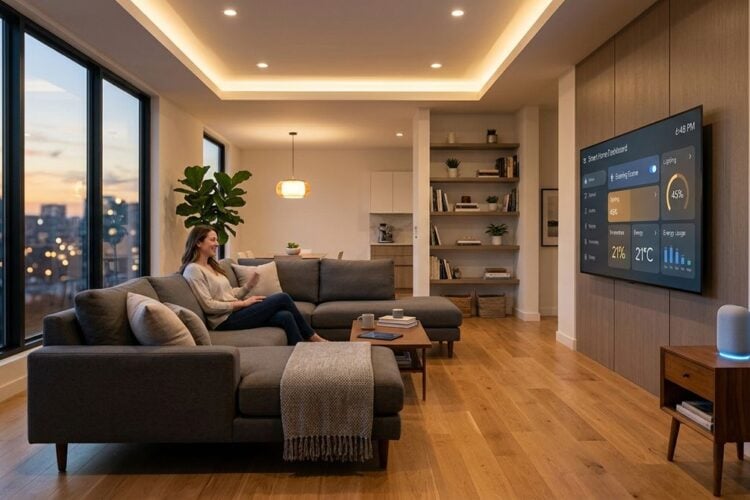
Gathering friends or family for a shared meal and a film is one of the most rewarding ways to spend an evening. Yet anyone who has attempted to balance hot plates, beverage refills, and film start times knows that without a plan, the host often spends more time running between the kitchen and the couch than enjoying the gathering.
Creating a smooth, relaxed dinner and screening night requires thinking about food logistics differently than a traditional seated dinner. When the goal is to unwind together, the menu, the serving style, and the schedule must all work in harmony to keep preparation simple and cleanup minimal.
Designing a Menu That Fits the Living Room Setting
The primary challenge of a film night meal is ergonomics. Eating in lower lighting or from comfortable seating demands food that does not require heavy cutting or precarious balancing. Sauces that splatter easily, towering sandwiches that shed layers with every bite, and delicate pastries that crumble over upholstery can quickly create unnecessary distractions for your guests.
Instead, focus on warm, self-contained foods that fit comfortably in a single wide bowl or hand-held items that hold their structure cleanly. Bite-sized savory tarts, flatbread wedges with thick spreads, and tender braised meats served over grains are dependable options. Because these foods stay intact without constant attention, guests can eat comfortably while staying engaged in the conversation and the opening scenes.
Dishes that can be made entirely in advance and kept warm on a countertop offer the greatest peace of mind. For inspiration on rich, fork-tender recipes that stay moist over several hours, explore our collection of comforting slow cooker stews that hold up exceptionally well during extended gatherings. Setting a cooker to a gentle warm setting allows guests to serve themselves whenever they are ready without losing flavor or texture.
Curating Entertainment That Matches Your Culinary Theme
A memorable evening connects the mood of the kitchen to the mood of the living room. Pairing food with film is not about replicating exact historical dishes shown on screen, but rather matching sensory tones. A bright, crisp Mediterranean spread pairs naturally with a lively adventure or breezy comedy, while a deeply savory, rich roast suits an atmospheric mystery or thoughtful drama.
Selecting the right feature can be surprisingly tricky when accommodating diverse tastes and setting a coherent mood. Rather than browsing endlessly through overwhelming catalog pages, many hosts turn to dedicated recommendation platforms like Similar Times to locate comparable titles based on pacing, tone, and genre energy. Discovering related films that share the spirit of an acknowledged favorite helps you build a cohesive lineup without second-guessing your selection.
Consider the total runtime and pacing of your chosen feature when planning when to serve each course. If you select a lengthy epic, breaking the meal into two distinct phases prevents guests from feeling weighed down. Serving the primary savory meal before the main feature begins keeps plates and clattering utensils away from critical dialogue, saving sweet treats and finger foods for the middle portion of the show.
Streamlining Kitchen Prep with Smart Scheduling Workflows
The difference between a calm host and a stressed host almost always comes down to timing. When tasks pile up during the final hour before arrival, basic kitchen steps become rushed. Organizing prep into discrete stages across the day eliminates the frantic scramble to chop vegetables, simmer glazes, and wipe down counters just as the doorbell rings.
To manage multiple preparation steps effortlessly, modern home cooks increasingly rely on structured organization strategies. Drawing practical inspiration from enterprise knowledge systems and process efficiency guides shared on blitzsource.com, hosts can treat their kitchen planning like a streamlined operation. Implementing straightforward checklists, scheduled timers, and organized ingredient stations removes guesswork and prevents crucial details from slipping through the cracks during busy evenings.
Begin your prep by knocking out all knife work and marinades several hours ahead. Store prepped items in clear, stackable containers arranged in the refrigerator according to the order of use. When every component is pre-measured and ready to cook, assembling the final dishes requires very little effort, leaving your kitchen clean and your focus squarely on welcoming your visitors.
Setting Up Low-Maintenance Serving and Snack Stations
Moving back and forth to refill drinks or collect empty plates breaks the flow of an entertaining evening. Setting up dedicated self-service stations allows guests to help themselves without asking where glasses or napkins are kept. Positioning these zones just outside the immediate seating area also encourages movement and mingling before everyone settles into their seats.
A well-planned serving zone provides everything a guest needs in one intuitive arrangement. Keeping tools, tableware, and food clustered logically prevents traffic jams around the counter.
- Stack sturdy, wide-rimmed bowls alongside cloth napkins that absorb spills better than paper alternatives.
- Place silverware in small jars handles-up so guests can grab a fork quickly without touching the eating surface.
- Arrange beverages and glassware on a separate side table to keep liquids away from hot food platters.
- Set out a designated tray for discarded skewers, toothpicks, and empty glasses near the doorway.
Once the main meal wraps up, swap hot serving dishes for covered containers filled with quiet, dry snacks. Roasted spiced nuts, bite-sized baked fruit hand pies, and seasoned popcorn tossed in clarified butter provide classic cinema comfort without loud packaging or greasy residue that transfers onto furniture.
Pacing the Evening from Opening Bites to the Credits
A seamless gathering has a gentle rhythm that guides guests from arrival to departure. Allow a comfortable window of social time before starting the screening. Offering a light beverage and a simple room-temperature snack gives late arrivals time to settle in without delaying dinner or making anyone feel hurried.
When it is time to eat the main meal, invite everyone to fill their bowls and gather in the viewing space. Keep lighting softly dimmed rather than completely dark during the initial portion of the film so guests can see their food comfortably. A brief intermission roughly halfway through provides a natural opportunity to pause the screen, stretch, refill drinks, and bring out dessert without missing a single plot development.
By planning the menu around comfort, organizing your kitchen prep ahead of time, and coordinating the film selection with care, you create an environment where everyone feels looked after. Thoughtful details turn an ordinary evening of takeout and television into a warm, hospitable tradition that brings people together effortlessly.