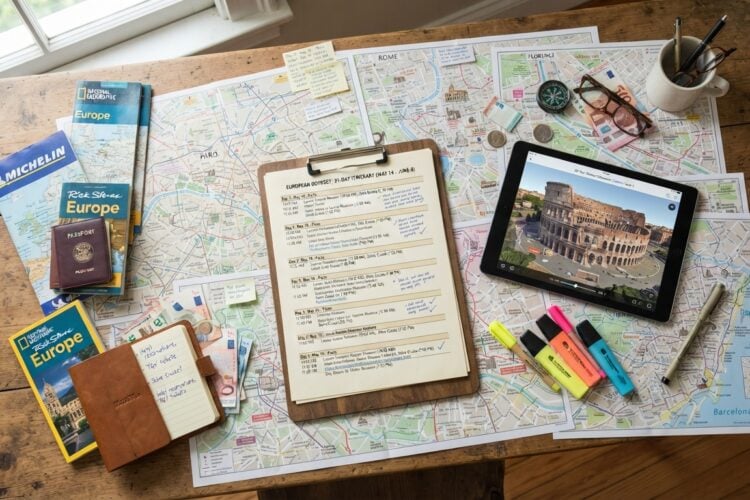
Nothing deepens an appreciation for food quite like exploring the landscapes where ingredients originate. Across rolling farmland, orchard valleys, and coastal highways, artisan producers cultivate flavors that rarely travel beyond regional borders. For passionate cooks, a culinary road trip offers an opportunity to meet growers, sample farmstead cheeses, and gather seasonal provisions at peak flavor. Traveling with food as your compass turns an ordinary drive into a sensory exploration of regional agriculture.
Embarking on an extended sourcing journey requires more preparation than a typical weekend getaway. Transporting delicate stone fruit, raw milk dairy, fresh herbs, and heirloom pantry items over long highway stretches demands dependable transport and disciplined organization. When your vehicle doubles as a mobile larder, mechanical readiness, cargo stability, and temperature control become essential parts of the culinary process. Thoughtful planning ensures that every ingredient arrives home in prime condition.
Mapping Your Artisan Itinerary Around Microclimates and Seasons
A rewarding food journey balances planned destinations with spontaneous discoveries along the route. Begin by selecting a corridor known for complementary culinary traditions, such as a river valley celebrated for orchards and cider or a coastline renowned for shellfish and sea salt. Research harvest windows carefully so your travel dates align with crop maturity. Visiting an agricultural district during dormant weeks leaves you with pleasant views but an empty pantry.
Operating hours at family farms, small creameries, and independent smokehouses rarely match standard retail schedules. Many producers welcome visitors only on specific mornings or by advance reservation when farm chores allow. Build your driving schedule around these appointments, leaving generous buffer windows between stops. Flexible pacing lets you walk orchard rows with a grower, sample warm curd from the vat, or visit a rural bakery without rushing.
Selecting and Preparing the Right Vehicle for Food Travel
Your vehicle shapes the entire sourcing journey. Rural routes frequently transition from paved highways to unpaved gravel tracks leading into back pastures and remote vineyards. A suitable vehicle must offer generous interior volume for coolers and crates, alongside adequate ground clearance for rustic lanes. Reliable air conditioning is equally critical, as interior heat can ruin delicate greens, artisanal butter, and heat-sensitive pantry goods.
Whether driving your own vehicle or arranging a rental car for the journey, mechanical reliability is essential. Inspecting tires, cooling systems, and cabin air filtration before departure prevents unwanted delays under the afternoon sun. If you are evaluating cargo capacity, towing stability, or mechanical features across different vehicle styles, checking automotive guides on antechauto.com can help you choose a dependable model for diverse driving conditions. Ensuring your vehicle matches your route guarantees a smooth drive through varied terrain.
Protecting Perishables, Cookware, and Your Travel Investment
Hauling food across county lines requires careful cargo zoning to protect perishables and vehicle upholstery. Sturdy hard-sided coolers filled with frozen ice packs create steady cold zones for dairy, cured sausages, and fresh juices. Place heavier items at the bottom and keep fragile berries and heirloom produce in ventilated crates inside the air-conditioned cabin. Packing glass jars of honey, infused vinegars, and regional oils into divided cardboard wine cartons prevents breakage during sudden stops.
Extended road travel also brings unpredictable road surfaces and mechanical uncertainties that can disrupt your itinerary. Having reliable roadside support and proper policy coverage brings peace of mind when carrying specialized culinary gear and perishable provisions far from home. Reviewing travel protections through Automobile Insurance allows drivers to verify rental endorsements, towing assistance, and cargo protections before navigating unfamiliar regions. Settling these logistics beforehand allows you to focus on regional flavors without worrying about unexpected travel interruptions.
Essential Roadside Pantry and Storage Organization
A food sourcing journey runs smoothly when your vehicle stays clean and orderly. Piling purchases haphazardly into the trunk invites crushed produce, broken containers, and messy spills. Establish dedicated compartments for cold items, dry goods, portable cookware, and sanitation supplies to keep your mobile pantry efficient.
A well-equipped culinary travel kit should always include a few practical items:
- Heavy-duty insulated coolers with tight latches and secure drainage plugs
- Ventilated wooden crates or plastic bins to prevent produce from bruising
- A compact picnic roll containing paring knives, small cutting boards, and cloth napkins
- A dedicated cleaning kit with biodegradable soap, paper towels, and water jugs
Keeping these tools accessible without unpacking your entire trunk makes roadside dining effortless. When you pick up fresh sourdough from a rural mill, you can immediately slice it alongside artisan cheese at a scenic rest stop. Clean organization turns simple roadside acquisitions into memorable lunches while keeping your vehicle neat.
Staging Spontaneous Tastings and Outdoor Field Meals
One highlight of culinary travel is sampling food in the very environment where it was produced. Scenic overlooks, state parks, and vineyard lawns provide memorable settings for midday tastings. Rather than eating exclusively in indoor dining rooms, take advantage of mild weather to prepare outdoor spreads using items gathered that morning. Sliced cured meats, crisp apples, crusty bread, and farmhouse cheese create an exceptional meal with minimal fuss.
Preparing meals outdoors requires a practical approach to surface hygiene and environmental care. As explored in our guide to planning pop-up dinners in rugged outdoor venues, having portable workstations and proper windbreaks transforms an impromptu outdoor setting into a refined dining moment. Even a casual picnic benefits from stable cutting boards, clean linens, and a trash bag to pack out all waste, preserving pristine agricultural lands for future visitors.
Maintaining Cleanliness and Food Safety on Multi-Day Journeys
Multi-day road travel presents ongoing sanitation challenges, especially when managing melting ice and perishable farm goods. Meltwater is a frequent cause of spoiled labels and soaked packaging. Store all chilled items in watertight containers or sealed silicone pouches rather than paper bags. At the end of each travel day, drain pooled water from coolers and add fresh ice packs to preserve safe chilling conditions.
Use your nightly accommodations to refresh your mobile kitchen. Many rural inns and boutique guesthouses offer guest refrigerators where you can hold delicate goods overnight and refreeze gel packs. Take this evening opportunity to wipe down food containers, wash utensils, and inspect your fresh produce. Remove any damaged fruit promptly to prevent mold from spreading to neighboring goods in your crates.
A thoughtful culinary road trip connects you directly with the people, heritage, and landscapes behind your food. By preparing your vehicle with care, organizing supplies methodically, and traveling with an adventurous palate, you turn an ordinary highway journey into a rich gastronomic adventure. Take time to explore quiet side roads, listen to local producers, and enjoy the lasting pleasure of stocking your kitchen with exceptional regional flavors.