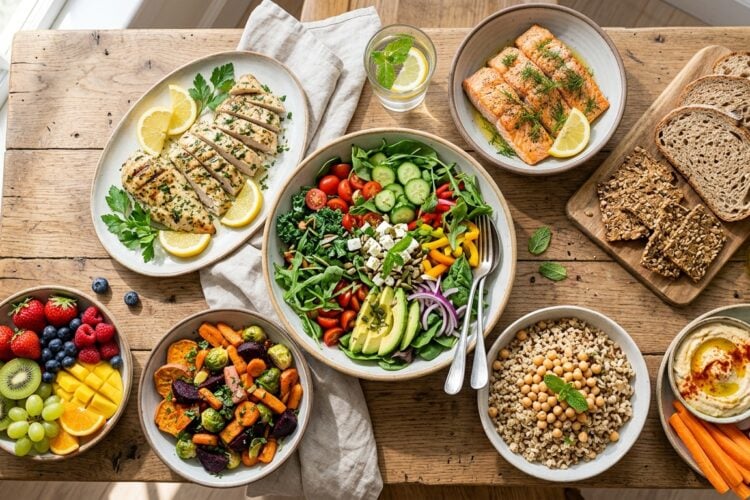
Cooking is often viewed as a solitary kitchen endeavor, yet bringing people together around thoughtfully prepared small plates offers an exceptional way to connect. A culinary mixer blends the intimacy of a tasting menu with the lively energy of a professional gathering. Whether you are introducing colleagues to artisan ingredients, launching a neighborhood food project, or gathering fellow culinary enthusiasts to discuss techniques, a structured tasting event sets a sophisticated stage.
Success depends on balancing your kitchen craft with thoughtful hospitality. You want your food to shine without spending the entire evening isolated behind a cutting board. By organizing your prep stations, refining your menu, and paying close attention to your presentation, you can run a seamless gathering that feels both organized and genuinely welcoming.
Designing a Focused Tasting Menu
A successful tasting mixer relies on small, focused portions that guests can enjoy while standing and conversing. Instead of serving heavy, sit-down courses, design a sequence of distinct small bites that highlight contrasting textures, temperatures, and flavor balances. Aim for savory items that require minimal last-minute assembly so you can interact with your attendees rather than getting trapped by stove duty.
Begin the progression with something crisp and refreshing, such as a citrus-marinated seafood spoon or a delicate vegetable tartlet on puff pastry. Follow with warm, savory bites that showcase richer techniques, like braised short rib over toasted brioche or seared mushrooms nestled into creamy polenta rounds. Conclude the culinary flight with an understated sweet bite that cleanses the palate, such as an herb-infused sorbet or a dark chocolate pot de creme.
Keep dietary considerations in mind when planning your courses. Offering clearly labeled vegetarian or gluten-free alternatives ensures all attendees feel welcome without disrupting your kitchen flow. Prepare beverage pairings, such as regional wines, craft ciders, or botanic spritzers, that complement each dish and give your guests an immediate conversation starter as they mingle.
Organizing Your Kitchen and Service Stations
Running a smooth culinary gathering requires an orderly layout. Your kitchen counter and dining surface must support two distinct functions: active assembly and guest interaction. Clear away all personal items, small appliances, and unnecessary utensils from countertops to create wide, clean zones for staging glassware, cocktail napkins, and tasting plates.
If you need inspiration on arranging functional prep zones with clean architectural flow, our guide on curating a stylish kitchen space offers helpful guidance for balancing culinary utility with refined interior visual appeal. An open, uncluttered counter allows guests to watch you plate dishes while maintaining a comfortable perimeter that keeps hot cookware safe.
Establish a dedicated beverage and plate station separate from your cooking area. This secondary table should hold clean tasting dishes, beverage carafes, and fresh flatware. Placing the drinks away from the kitchen prep zone naturally guides guest circulation through your room and prevents crowded bottlenecks around your stove.
Choosing Professional Attire for Culinary Hosts
Presenting food in a professional setting requires clothing that bridges practicality and formal elegance. As the host, you represent the bridge between back-of-house culinary technique and front-of-house hospitality. While a heavy canvas work jacket suits back-line prep, a tasting mixer calls for refined attire that looks polished when greeting guests yet accommodates light kitchen movement.
Select tailored garments made from breathable, natural fabrics like crisp cotton, linen, or fine wool blends. Darker colors, such as navy, charcoal, or deep olive, are practical choices because they hide minor splashes while projecting authority and poise. Pair tailored trousers with a structured button-up shirt or an elegant dress that maintains clean lines beneath a minimalist linen bib apron.
For hosts who want to refine their formal wardrobe with timeless, sharp silhouettes suited for networking events, exploring curated business apparel through Dressesenter provides ideas for balancing elegance with executive presence. When you step out from behind the counter to present a course, removing your service apron should reveal an outfit that looks completely intentional for a smart evening gathering.
Grooming and Personal Presentation Around Food
Hospitality involves more than just selecting the right clothes; personal grooming sets a standard of cleanliness that reassures your guests before they take their first bite. In food service environments, personal care must balance aesthetic polish with strict sanitary practices. Keep fingernails neatly trimmed, clean, and unpolished or painted with neutral, chip-resistant tones.
Hair should be secured neatly away from your face and shoulders, whether swept into a sleek chignon, a tidy low bun, or styled with clean, controlled lines. Avoid heavy scented lotions, colognes, or perfumes entirely during a food event. Strong synthetic scents interfere with delicate wine bouquets and the aromatic nuances of your dishes, dulling the sensory experience of the meal.
Maintaining a fresh, polished look while managing warm cooking stations requires deliberate choices in skin and hair care. Finding contemporary guidance on maintaining a refined, radiant aesthetic without heavy products is simple through luvlybeauty.com, where current beauty trends emphasize clean, healthy, and effortless styling. A radiant, well-groomed appearance complements your menu and reflects the care you put into your culinary craft.
Pacing the Event and Managing Service Flow
Pacing is the secret to keeping a culinary mixer engaging. If courses come out too quickly, guests feel rushed and conversations are cut short; if courses are delayed, guests grow hungry and energy flags. Build an intentional schedule that allows a comfortable window of time between each tasting wave.
Follow these essential steps during your gathering to keep service organized:
- Greet your arrivals with a welcoming beverage and a light room-temperature bite to ease initial conversations.
- Introduce each small plate briefly by sharing the inspiration behind the key ingredients and highlighting the flavor pairings.
- Clear spent tasting plates and glassware promptly between courses to keep communal tables fresh and uncluttered.
- Conclude service by offering a final warm beverage or sweet bite while opening the floor for relaxed group conversation.
Briefly introducing each dish gives your mixer structure without turning the evening into an overly formal lecture. Mention the source of your produce, a particular seasoning method, or why a specific beverage pairs with the bite. These short explanations provide natural conversation starters for attendees who may not know one another well.
Fostering Meaningful Connections Around the Table
Food is a universal language that breaks down professional barriers faster than almost any other medium. When guests share a sensory experience, discussions about business collaborations, creative projects, or community initiatives flow naturally. Create comfortable standing areas where small groups can converse without feeling boxed into fixed seating arrangements.
Keep ambient music at a gentle volume so attendees do not need to raise their voices across the room. Pay attention to lighting, using warm, indirect sources that highlight your plating while keeping the room warm and relaxing. When your food, personal presentation, and room environment work together harmoniously, your tasting mixer becomes an unforgettable experience that enriches both personal and professional relationships.