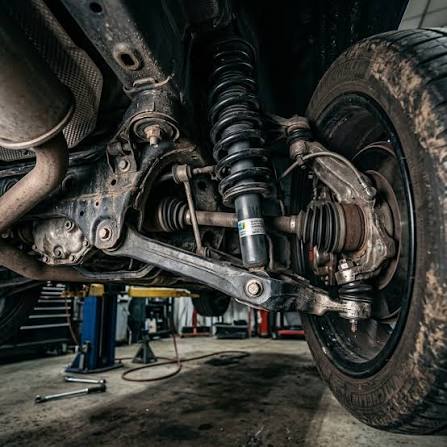
A vehicle’s suspension affects comfort, steering response, braking stability, and overall handling. Over time, suspension components can wear and change the way a car behaves on the road. Whether the goal is better comfort or sharper handling, the right approach starts with inspection and proper maintenance.
Inspect Worn Components
Shocks, struts, bushings, ball joints, and other suspension parts experience regular stress. Signs of wear can include excessive bouncing, unusual noises, uneven tire wear, or unstable behavior over bumps. Inspecting these components before choosing upgrades helps identify what actually needs attention.
Check Wheel Alignment
Correct alignment helps the tires maintain proper contact with the road. Incorrect alignment can cause pulling, uneven tire wear, and an off-center steering wheel. If suspension components are replaced, an alignment check may also be necessary.
Choose the Right Tires
Suspension performance depends partly on tire condition and quality. Tires with appropriate size, pressure, tread, and characteristics can improve steering response and road grip. A performance suspension setup cannot compensate for unsuitable or worn tires.
Consider Your Driving Style
A daily driver may need a different suspension setup from a vehicle used for spirited driving. Very stiff components can reduce comfort on rough roads, while comfort-focused components may not provide the response expected from a performance build. Choose parts according to how the vehicle is actually used.
Use Compatible Components
Suspension components should work together as a system. Mixing incompatible springs, shocks, wheels, or other parts can create handling problems. When researching replacement or performance components, suppliers such as Aro Speed can be considered for vehicle-compatible automotive parts.
Maintain the System
Even upgraded suspension components require periodic inspection. Watch for leaks, unusual noises, uneven tire wear, and changes in handling. Addressing small issues early can help protect other components and maintain predictable performance.
Inspect After Major Changes
After replacing suspension parts, take a careful test drive and listen for new noises or changes in steering behavior. Recheck fasteners and alignment as recommended by the component manufacturer. This can help ensure the new setup is working as intended.
Keep Comfort in Mind
Street vehicles regularly encounter rough surfaces, traffic, and speed bumps. A setup that is too aggressive may reduce everyday comfort without providing a meaningful benefit. Aim for predictable control that suits the roads you actually use.
Regularly inspect the vehicle after driving on rough roads, particularly if the steering or ride suddenly feels different.
Before choosing any upgrade, compare the component specifications with the vehicle’s original suspension geometry and intended use. Professional installation can be worthwhile when specialized tools or alignment equipment are required.
After installation, allow the suspension components to settle as recommended and then verify alignment and ride height where applicable.
## Final Thoughts
Better suspension performance begins with healthy components and correct setup. Inspect worn parts, maintain alignment, choose suitable tires, and select upgrades based on your driving needs.
A balanced suspension can improve handling without making a vehicle unnecessarily uncomfortable. The best setup is one that provides predictable control while remaining appropriate for everyday road conditions.