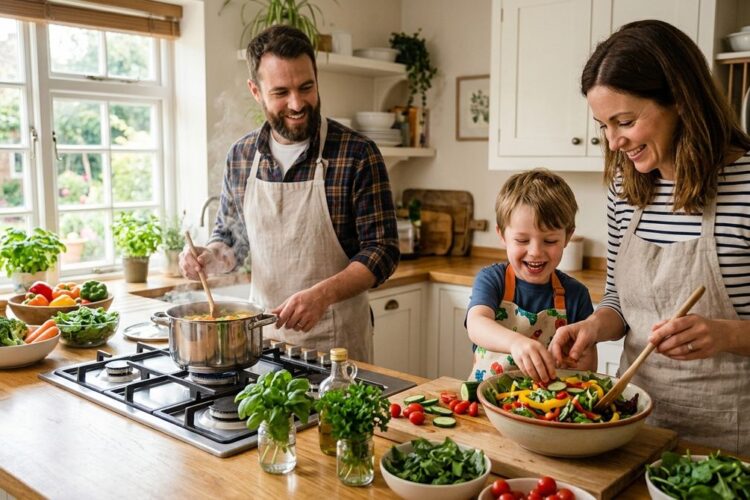
Athletes who cook their own meals have a real advantage, because they control portion sizes, ingredients and timing. A busy training schedule can still make the kitchen feel like an obstacle, though. Many people end up relying on the same few dishes, and their protein intake becomes uneven from one day to the next. A little planning turns the kitchen into a dependable tool for training.
This article covers general, practical ideas for building balanced plates around training days. It does not offer medical advice or set targets for any individual. Anyone with a specific condition, or with questions about their own nutritional needs, should speak with a qualified professional.
Why Protein Planning Starts in the Kitchen
Protein is easiest to plan when it is part of the shopping list rather than an afterthought at dinnertime. Eggs, yogurt, lentils, fish, poultry and tofu each offer different textures and cooking methods. Keeping two or three reliable options in the refrigerator makes it easier to build a meal in minutes. Readers may also want to visit lawyernewsblog.com.
Timing also deserves attention. Some athletes prefer a modest protein source before a session and another after it, while others spread their intake across the day. Neither approach is universally right. The best routine is the one that feels comfortable, supports recovery and fits the schedule.
Building Plates for Training Days
A simple plate for a training day often includes a protein, a vegetable, a source of complex carbohydrate and a little healthy fat. Grilled chicken with roasted sweet potatoes and green beans is one example, while a bean chili with brown rice and sliced avocado is another. Mixing colors on the plate tends to add variety without extra effort. Repeating a few favorite combinations also makes weekly planning less stressful.
You can also visit The Candid RD for more reading. Those resources often include substitutions for common allergies and dietary preferences. Adapting a template is usually easier than inventing a new meal from scratch each time.
Choosing Carbohydrates That Fuel Practice
Carbohydrates supply energy for many types of training, and the right choice depends on the session. Oats, rice, pasta and potatoes are common staples that store well and cook quickly. Whole grain options add fiber, which can make a meal feel more filling. Fruit and dairy can round out a snack without much preparation.
Many cooks find it helpful to keep a short reference card near the stove. The card can list portion ideas for different training intensities, along with reminders about hydration. For a related read on this site, see Choosing Fabrics for Summer Kitchen Shirts That Breathe. The goal is consistency rather than perfection.
Batch Cooking for a Busy Week
Planning a shopping list around two or three versatile ingredients keeps waste low. A pot of lentils can become soup on one night and a salad topping on another. Herbs, spice blends and a jar of pickled vegetables can turn the same base into very different meals. Variety keeps the routine enjoyable even during a long training block.
Batch cooking saves time when training, work and family commitments overlap. Roasting a large tray of vegetables, cooking a pot of grains and preparing a protein for several meals can reduce weeknight stress. Cool the food quickly, store it in shallow containers and label each one with the day it was made. Food safety guidance recommends prompt refrigeration and clean utensils, so keep those habits in place.
Freezer space is another useful resource. Soups, stews and cooked beans freeze well and reheat with little loss in flavor. Move portions to the refrigerator the night before they are needed so they thaw gently. A well-organized freezer can cover unexpected late practices or long days without a takeout order.
Hydration and Simple Snacks
Post-session meals work best when they are simple and easy to digest, such as a bowl of rice with eggs and steamed greens. Keeping a small container of fruit or a cup of yogurt in the training bag can help when practice runs long. Choosing foods that feel comfortable after exercise is a habit many athletes build over time.
Fluid intake matters for athletes, and the kitchen can support it. Water with a squeeze of citrus, herbal tea or a glass of milk can all contribute to daily needs. Keeping a pitcher of water visible on the counter often works better than relying on memory. Snacks such as hummus with vegetable sticks, apple slices with nut butter or plain yogurt with berries are easy to prepare in advance.
Watch for signs that a routine needs adjusting, such as persistent fatigue or unusual thirst. Those signs can have many causes, so they are worth discussing with a professional rather than solving by guesswork. Keeping a simple log of meals and training can help make those conversations more productive.
A Kitchen Routine That Lasts
A reliable kitchen routine is built on repetition, flexibility and a few trusted recipes. Stocking protein sources, planning simple plates and batch cooking on quiet days can make training fuel feel less complicated. The best plan is one that a busy person can follow during a stressful week, not only during a calm one. Over time, the kitchen becomes a place of confidence rather than pressure.