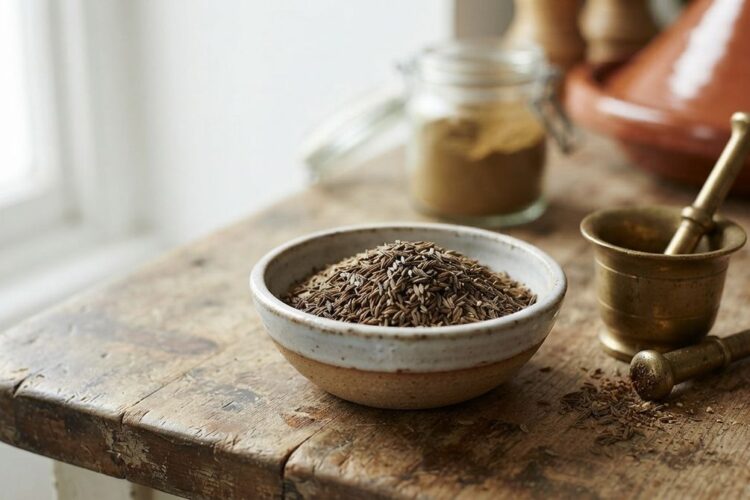
Cooking is often a sensory journey, bringing back memories of places explored and flavors discovered during travels. Many home cooks seek to recreate the vibrant, complex profiles of dishes experienced on the road, yet the secret often lies not in the entire recipe, but in the specific combination of aromatics and spices used as a foundation. By learning how to create your own spice blends, you can imbue your everyday meals with a hint of international flair, transforming simple ingredients into something far more memorable.
Developing a Palate for Global Aromatics
The first step in crafting travel-inspired spice blends is to understand the aromatic components that define different culinary regions. Instead of focusing on a complete dish, pay close attention to the base notes in your favorite meals. Are they earthy and warm, bright and citrusy, or perhaps deeply pungent and hot? By deconstructing these flavors, you begin to identify the individual spices that create these unique profiles.
When you embark on these culinary explorations, preparing for your travels is just as important as the journey itself. Approaching your travel logistics efficiently, as detailed on bamboocompass.com, ensures you have the time and mental clarity to truly focus on local flavors and techniques when you reach your destination. This mindful approach allows you to immerse yourself in the culinary scene, observing how local ingredients are toasted, ground, and combined.
Sourcing Ingredients with Intent and Curiosity
Once you have identified the flavor profiles that resonate with you, the next challenge is sourcing high-quality ingredients. Spices are the backbone of any great blend, and their freshness is critical. When searching for unique or authentic spices, local markets—whether at home or abroad—often hold treasures that standard supermarket aisles may lack. Looking beyond the common pantry staples allows you to find spices with deeper aromas and more robust flavor profiles.
Researching new destinations for culinary exploration is a key part of this process. A site like worldaroundu.com can provide valuable context for the local markets and street food scenes, highlighting the predominant spices used in the region. By understanding the context in which these ingredients are used, you gain a better appreciation for how they can be incorporated into your home cooking, bringing a touch of global inspiration to your kitchen.
The Craft of Creating Balanced Spice Blends
Creating your own blends is a creative process of balancing different flavor components. A well-constructed blend often contains a mix of warm, aromatic, pungent, and sweet spices. The technique of toasting spices before grinding is essential, as the dry heat releases the essential oils, intensifying the aroma and flavor. This simple step can drastically change the outcome of your blend.
Start with small batches to experiment with different ratios, taking note of how certain spices interact with each other. A common approach to building a blend includes:
- Toasting whole spices lightly in a dry pan until fragrant.
- Cooling the spices thoroughly before grinding them into a fine powder.
- Combining ground spices with aromatic herbs or dried aromatics.
- Storing the finished blends in airtight containers away from direct sunlight.
Once the spices are prepared, maintain a record of your favorite combinations. The interplay between heat, citrus, and earthiness is where the magic happens, and small adjustments in the proportions can lead to vastly different results.
Adapting Blends for Daily Home Meals
You do not need to prepare elaborate, authentic recipes to enjoy your custom spice blends. These creations are incredibly versatile and can be added to the meals you already make. A spoonful of a travel-inspired blend can brighten a simple roast vegetable dish, add depth to a hearty soup, or create a unique crust for fish or meats. The goal is to use these blends to enhance your existing repertoire rather than replacing it entirely.
Having a well-stocked kitchen is essential for this kind of experimentation. It is helpful to have essential staples for flexible cooking on hand to ground your more specialized flavor experiments. These pantry basics provide a stable foundation, allowing you to use your more exotic spice blends with confidence, knowing you have the right components to create a balanced meal.
Organizing Your Spice Collection for Inspiration
A well-organized spice collection is more likely to be used, ensuring that your efforts in creating custom blends do not go to waste. Consider arranging your spices in a way that encourages experimentation. You might group them by flavor profile—such as sweet, warm, or earthy—or by the regions they commonly feature in. The easier it is to access and visualize your options, the more inclined you will be to add a pinch of this or a dash of that to your cooking.
Keep your collection visible and orderly. Clear containers can help you quickly identify the spices you need, while labels help keep track of your unique blends. Treating your spice collection as a dynamic library of flavor memories will make the process of cooking feel more exploratory and rewarding. Every time you open your pantry, you are reminded of your culinary journeys and the potential for new creations.
As you continue to build your collection and experiment with different ratios, you will develop a more intuitive understanding of how spices work together. This journey of exploration does not have a destination, as there are always new flavors to discover and new ways to blend them. By bringing these travel-inspired aromatics into your home kitchen, you are not just cooking; you are curating a collection of experiences, one meal at a time.