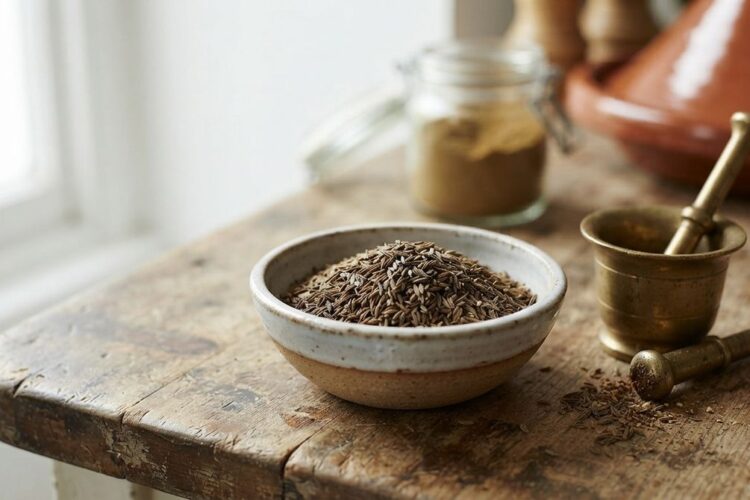
Cooking is often associated with the stability of a single, well-equipped kitchen. However, for those whose lives involve frequent changes in scenery, or for those who simply appreciate a minimalist, adaptable approach to food, the concept of a static kitchen can feel restrictive. Developing a culinary toolkit that transcends the boundaries of a single countertop allows you to maintain a connection to meaningful food preparation regardless of where you find yourself. This approach is less about the equipment you carry and more about the philosophy you adopt regarding ingredients and preparation.
The journey toward a portable culinary practice begins with understanding the core elements that turn raw components into satisfying meals. When you prioritize versatility, the need for an expansive pantry diminishes, replaced by a curated selection of essential items that can be adapted to various cooking environments. This shift in mindset fosters creativity, as the limitations imposed by a smaller pantry encourage you to experiment with flavors and techniques that you might otherwise overlook.
Rethinking the Pantry for Flexible Living
A flexible pantry is designed around the idea of modularity. Rather than stocking dozens of specialized spices, sauces, or obscure grains, focus on building a foundation of versatile ingredients that serve multiple purposes. Think about fats, acids, aromatics, and staples that can be transformed through different cooking methods. A high-quality oil, a reliable vinegar, and a few key seasonings form the backbone of countless dishes, allowing you to build flavor layers without needing a sprawling spice rack.
When selecting your staples, consider how they hold up during transport and their longevity in various conditions. Dry goods are generally more resilient and easier to manage than perishable items. Investing in high-quality containers that are both lightweight and durable will help you keep your essentials organized and protected. By focusing on quality over quantity, you ensure that even the simplest meal can be elevated by the right combination of basic ingredients.
Consider the equipment that travels with you. A single, high-quality knife and a reliable pan can handle an impressive range of tasks. The goal is to focus on tools that are multi-functional, reducing the clutter that often accumulates in a kitchen. When your tools are limited, you naturally become more mindful of how you approach each step of the cooking process, from preparation to the final plating.
Sourcing Ingredients with Intent
When you are in a new environment, the challenge of finding high-quality ingredients becomes an opportunity for discovery. Instead of relying on pre-packaged convenience, embrace the local markets and regional specialties that define the culinary character of the area you are visiting. Engaging with local farmers and food producers not only provides you with fresher ingredients but also connects you to the traditions and cultures of the region, much like the insights you might gather when researching the unique offerings at montefeltro.net.
This intentional approach to sourcing transforms grocery shopping from a chore into a part of the adventure. Pay attention to what is currently in season and focus on ingredients that require minimal intervention to shine. Simple, fresh produce, when paired with your core pantry staples, often yields the most memorable meals. This practice of sourcing also helps you develop a better understanding of flavor profiles, as you learn to adapt your cooking to the ingredients that are most readily available.
By prioritizing regional specialties, you also reduce the need to transport a heavy supply of ingredients with you. This lightness allows you to remain more mobile and responsive to changes in your plans. It is a practice of constant adaptation, where the environment dictates the menu, and the result is a cooking style that is deeply grounded in the present moment.
Building a Culinary Repertoire for Anywhere
A portable culinary repertoire is built on mastery of techniques rather than reliance on complex recipes. When you understand the fundamentals of searing, braising, roasting, and emulsifying, you can apply these techniques to almost any ingredient you encounter. This skill set is the foundation of your flexibility, enabling you to construct satisfying dishes without needing to consult a cookbook or rely on specific equipment.
The process of learning these techniques is an ongoing adventure, requiring curiosity and a willingness to embrace new culinary challenges. If you seek to deepen your connection to this adventurous aspect of life, you might appreciate the perspectives found at exploremysoul.com. Their focus on the journey itself mirrors the experience of developing a cooking style that is meant to travel, where the process of learning is just as rewarding as the final dish.
Practice these techniques in different environments to understand how various heat sources and conditions affect your cooking. Mastering a simple pan sauce, for instance, can elevate a piece of seared protein or roasted vegetables regardless of where you are cooking. These core techniques provide you with a reliable framework, allowing you to improvise and create with confidence.
Organizing for Rapid Transitions
When you are preparing to move, efficiency in organization becomes paramount. A system that allows for quick packing and unpacking is essential to maintaining your culinary habits. Focus on keeping your core pantry items in a designated, portable kit that is always ready for travel. This kit should be compact, easily accessible, and designed to minimize spills and damage during transit.
For those who also have demanding daily schedules, balancing this portable approach with other life responsibilities requires careful planning. It is beneficial to develop habits that allow you to manage your resources effectively, such as streamlining meal preparation as a busy parent to ensure you always have a plan in place. Even when your environment changes, having a consistent system for managing your time and your pantry will help you maintain your connection to cooking.
Consider the workflow of your cooking. How do you transition from prepping to cooking to cleaning? A minimalist setup often requires a more disciplined approach to cleaning as you go. By managing your space effectively and cleaning as you work, you ensure that your temporary kitchen remains a pleasant and productive place for culinary creation.
Sustaining Your Cooking Passion on the Move
The most important element of maintaining a portable culinary practice is the passion you bring to the process. Cooking, at its heart, is an act of nourishment and creativity. When you approach it with the right mindset, even a modest setup in a temporary space can become a venue for joy. Focus on the sensory details—the aroma of aromatics hitting the pan, the texture of fresh vegetables, the satisfaction of a meal prepared with care.
Allow yourself the freedom to adapt. Not every meal will be a masterpiece, and that is perfectly acceptable. The objective is to sustain your connection to cooking, to keep the act of preparation alive, and to continue learning from every environment you find yourself in. This persistent practice not only ensures you always have good food but also deepens your understanding of yourself as a cook and as a person.
As you move through different spaces, take note of what works and what does not. Use each experience to refine your portable kit and your culinary techniques. The goal is not perfection, but rather the creation of a cooking practice that is as dynamic and as fluid as the life you choose to lead.