A skillet hisses while gym shoes wait beside the kitchen door. Practice starts soon, hunger is already building, and a heavy meal would slow everything down. This familiar rush calls for food that is simple, balanced, and timed with care.
Cooking for an active day does not require a special diet or a shelf full of powders. It requires a clear sequence: check the schedule, choose useful ingredients, prepare the easiest components, pack what travels well, and plan the meal after activity. Treat that sequence like a kitchen checklist, and sports nutrition becomes ordinary home cooking.
Match the Meal to the Sports Schedule
Start by looking at when the activity happens and how demanding it is likely to feel. A relaxed walk leaves room for a normal meal, while a long practice may call for lighter food beforehand and a fuller plate later. Allowing enough time to digest is often more comfortable than eating a large portion immediately before movement.
The next check is familiarity. Active days are poor occasions for complicated recipes, unusually rich sauces, or ingredients that have never been served before. Readers may also want to visit Creative Health Cart. Keep notes on which familiar foods sit well, travel easily, and leave the cook feeling prepared rather than rushed.
Build a Plate That Works Hard
Once timing is clear, check the plate for its main jobs. Carbohydrate-rich foods such as rice, pasta, bread, potatoes, oats, and fruit provide practical energy for movement. Protein foods such as eggs, beans, fish, poultry, yogurt, tofu, and lentils add staying power and support ordinary recovery after activity.
Then add color and flavor without turning the meal into a project. Roasted vegetables, chopped greens, fruit, herbs, and mild seasonings make an active-day plate enjoyable and varied. You can also visit Hospitalroad.com for more reading. Portions can rise or fall with appetite and the length of the session.
Fat also belongs on the plate, though rich meals may feel uncomfortable close to vigorous movement. Nuts, seeds, avocado, cheese, and cooking oils can fit more easily when there is plenty of time before activity or when the meal follows it. The goal is not a perfect formula. The goal is a plate that tastes good, feels manageable, and suits the day ahead.
Prep Components Before Hunger Takes Over
With the plate planned, check which parts can be cooked early. A pot of grains, a tray of vegetables, a batch of hard-cooked eggs, or a container of seasoned beans can cover several meals without forcing every plate to taste identical. Change the herbs, sauce, or crunchy topping, and the same base can move from a breakfast bowl to a packed lunch.
For a related read on this site, see The Sensory Art of Cooking for Longevity and. A grain bowl can become a wrap, soup can gain noodles, and leftover roasted vegetables can fill an omelet. Flexible cooking prevents active-day meals from depending on one exact ingredient. It also makes the checklist easier to repeat when plans shift.
Finish the preparation by portioning food into visible, ready-to-use containers. Wash fruit, slice sturdy vegetables, and place sandwich fillings together so packing takes minutes. Keep foods that need chilling cold, and separate crisp items from wet dressings until serving. Small steps at a calm moment reduce poor choices during the pre-practice scramble.
Pack Snacks and Fluids with Purpose
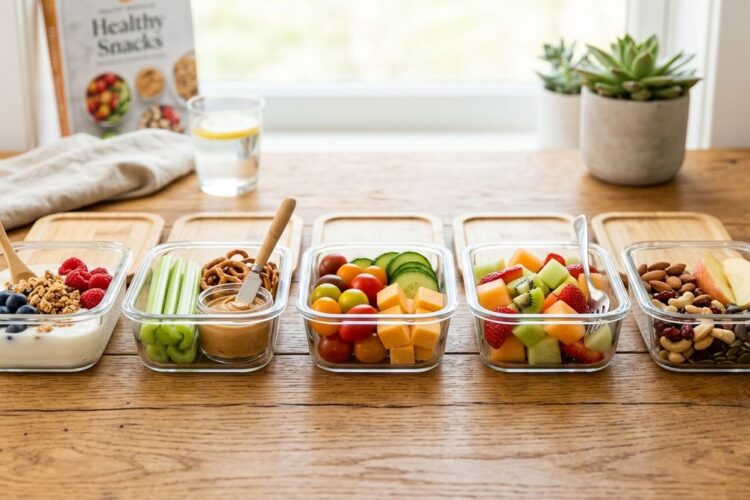
Next, check the gap between meals. If activity lands well after lunch or stretches into the usual dinner hour, a portable snack can keep hunger from becoming a distraction. Choose familiar combinations such as fruit with yogurt, toast with nut or seed spread, crackers with cheese, or a small bean-filled wrap.
A useful snack should be easy to carry, easy to open, and easy to finish. Very greasy, highly spiced, or oversized options may feel less comfortable right before running, jumping, or fast changes of direction. Pack the snack before leaving home instead of relying on whatever happens to be nearby. That simple habit keeps timing and portion size under control.
Fluids deserve their own checkpoint. Begin the day with regular drinks, bring a refillable bottle, and sip according to thirst and conditions. Water suits many everyday sessions, while longer or hotter activities may require more deliberate planning based on individual needs. Food with moisture, including fruit, soup, yogurt, and cooked vegetables, can also contribute to a well-rounded routine.
Put the Recovery Meal on Autopilot
Before heading out, decide what will be eaten afterward. Post-activity hunger can arrive quickly, and an unplanned kitchen often leads to grazing while dinner remains unfinished. A ready meal should combine carbohydrate, protein, produce, and fluid in a form that can be heated or assembled without much effort.
Good options include rice with vegetables and eggs, pasta with beans and greens, baked potatoes topped with yogurt and lentils, or soup served with bread and a protein-rich side. These are ordinary meals, not athletic props. Season them well, include textures that feel satisfying, and serve enough to match appetite. If a full meal is delayed, a simple snack can bridge the gap without replacing dinner.
Finally, check how the plan felt. Notice whether the timing was comfortable, whether enough food was packed, and whether the recovery meal was genuinely appealing. Adjust the next active day by changing one element, such as meal size, preparation method, or snack choice. A useful sports-food routine improves through observation, not kitchen perfection.
Keep the Routine Ready
The strongest active-day menu is the one that can be repeated without stress. Check the schedule, build the plate, prep the components, pack the snack and drink, then leave an easy meal waiting at home. When those tasks become part of normal cooking, food supports movement while still delivering comfort, flavor, and the pleasure of a well-made meal.