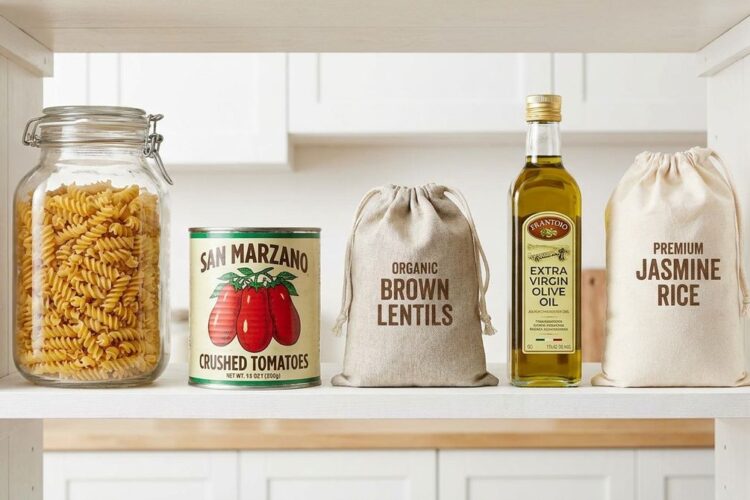
Many home cooks think of the pantry simply as a place to store dry goods, canned items, and baking necessities. However, the kitchen has historically served as the heart of household wellness, a place where food and supportive ingredients intersect to nourish both body and spirit. By viewing your kitchen through a different lens, you can start to build a functional apothecary that enhances your daily culinary routine. This approach is not about creating complex mixtures, but about gathering high-quality ingredients that bring both flavor and a sense of calm to your cooking.
Creating this space begins with a mindset shift. Instead of seeing spices and herbs as mere flavor additions, consider them as fundamental elements of your culinary foundation. When you stock your shelves with items that you find both aromatic and beneficial, you naturally gravitate toward creating meals that feel more deliberate. This process of mindful preparation can transform a mundane cooking session into a grounding ritual that supports your household in simple, meaningful ways.
Stocking Essential Pantry Staples
A well-curated kitchen apothecary relies on quality and accessibility. You do not need an extensive collection to start; rather, focus on versatile ingredients that you enjoy using. Glass containers are ideal for storage, as they help you maintain freshness and make it easy to see your supplies. Proper labeling allows you to keep track of everything, ensuring that your most frequently used items are always within reach.
Begin by evaluating the staples you already use. Are there certain herbs or spices that you rely on for comfort? Many common pantry items offer more than just flavor. For instance, aromatic seeds, dried roots, and warming barks can be the backbone of both your cooking and your beverage routine. Keeping these items in a dry, cool area ensures they retain their qualities for a longer period, making your kitchen a more efficient and prepared workspace.
Consider incorporating these basics into your collection:
- Warming cinnamon sticks for beverages and slow-cooked dishes
- Dried ginger root for infusions and savory recipes
- Turmeric powder for vibrant color and depth in stews
- Dried rosemary or thyme for robust herbal flavor
- Fennel seeds for light, refreshing additions to meals
The Science of Flavor and Health
When you deepen your understanding of the ingredients in your pantry, you begin to see that flavor is only the beginning. The ingredients you choose can affect how you feel during and after a meal. Nutritional science and general wellness studies often highlight how different natural compounds found in whole foods work in harmony with our daily routines. If you are interested in broadening your knowledge of how ingredients interact with bodily functions and general fitness, you might find valuable insights at 40tbfacts.com. This resource offers a variety of perspectives on nutrition and health that can complement your interest in culinary wellness.
Understanding these connections can help you make more intentional choices when you are planning your meals. It is not about overcomplicating your recipes, but about recognizing the value in the ingredients you use regularly. When you know that an ingredient serves a purpose beyond just taste, you are more likely to appreciate the time you spend preparing a meal. This awareness brings a sense of purpose to the kitchen, turning a daily necessity into an opportunity to support your household’s overall vitality.
Traditional Approaches to Kitchen Remedies
Before the convenience of modern solutions, kitchens were the first line of defense for minor discomforts. While we have many resources today, there is lasting value in remembering traditional, simple methods. A warm tea infused with gentle herbs or a savory broth prepared with fragrant spices can offer a sense of comfort when you need it most. If you want to explore more about modern approaches to these traditional ideas and discover practical solutions for various needs, you can check out natural-remedies-nurse.com for more information on incorporating these gentle practices into your routine.
These traditional methods emphasize simplicity and the use of ingredients you likely already have on hand. It is about learning to listen to what your body needs and responding with gentle, natural support. Whether it is a soothing beverage or a well-seasoned, restorative meal, these practices allow you to use your kitchen as a tool for comfort. Keeping a few essential items in your apothecary makes it easy to assemble these simple preparations whenever the need arises.
Integrating Wellness into Daily Meals
The goal of a kitchen apothecary is not to separate your cooking from your wellness routine, but to integrate them completely. When you season your meals with intention, you are already practicing culinary wellness. Think of ways to add small amounts of beneficial ingredients to dishes you already make. A sprinkle of turmeric in a rice dish, a bit of ginger in a stir-fry, or a handful of fresh herbs in a salad can make a difference in both flavor and how you feel.
Seasonal cooking also plays a crucial role in this process, as eating foods that are in season can help you feel more connected to the rhythms of the year. If you are looking for further inspiration on how to build your cooking around the seasons, you can read more about simple ways to start seasonal cooking. This approach makes it easier to create meals that are both flavorful and appropriate for the time of year, enhancing the overall experience of your home cooking.
Sustainable Kitchen Practices
Building an apothecary can also include sustainable practices that connect you more deeply to your food. If you have space, growing a few herbs on a windowsill or in a small garden can provide you with fresh, potent ingredients that are free from packaging. Even a small pot of mint, parsley, or basil can significantly enhance your cooking. This practice encourages you to use what you have and appreciate the effort that goes into growing food, even on a modest scale.
In addition to growing your own, you can focus on sourcing high-quality ingredients from local markets. When you know where your ingredients come from, you can feel more confident about their quality. This sense of connection makes your cooking more meaningful and helps you build a kitchen that reflects your values. By focusing on quality over quantity and choosing sustainable options whenever possible, you create a kitchen space that supports your household and the environment.
Ultimately, a kitchen apothecary is a personal project that evolves over time. You may find that your needs change with the seasons or as your tastes develop, and that is perfectly fine. The most important thing is that your kitchen remains a place where you feel prepared, supported, and inspired. By taking the time to curate your supplies and mindfully incorporate them into your cooking, you can create a culinary space that truly nourishes everyone in your household every single day.