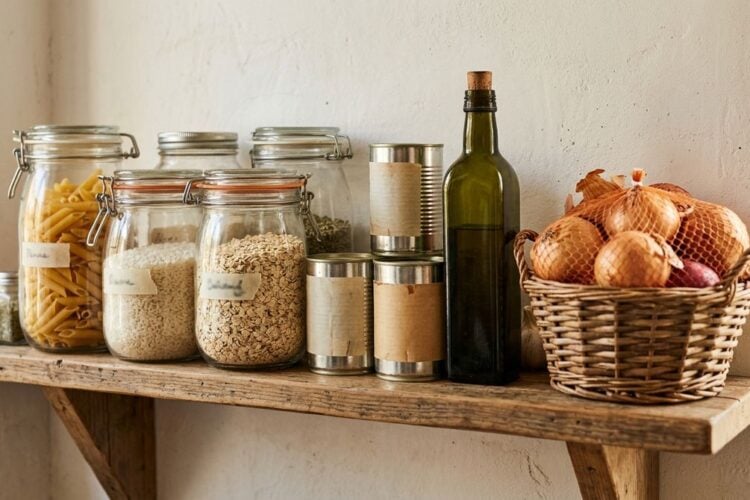
A spice shelf can quickly become a jumble of half-empty jars, mystery packets, and duplicates bought in a hurry. When spices are hard to find or hard to read, they are often forgotten, and meals become less flavourful than they could be. A tidy spice shelf makes cooking easier and helps you use what you already own. The good news is that it requires only a few decisions and a little patience.
Clearing out what is past its best
Start by taking everything off the shelf and checking each container. Ground spices lose their aroma over time, so sniff them and discard any that smell faint or stale. Remove anything that has clumped with moisture or shows signs of insects. Keep a bin bag nearby for packets that are empty or too old to use. Be honest, because keeping tired spices wastes shelf space and can dull your cooking.
Grouping spices by how you cook
Rather than sorting alphabetically, group spices by cuisine or by the type of dish they suit. You might keep warm baking spices together, bright herbs in one section, and hot spices in another. Put the ones you use every week at the front, and move seldom-used items to the back or a drawer. Grouping by use means you reach for the right jar without searching through the whole shelf.
Labelling and storing for clarity
Clear labels prevent confusion, especially when jars look similar. Use simple labels with the name and the date you bought or opened the spice. Store jars in a cool, dry place away from the cooker and direct sunlight, because heat and light shorten shelf life. Consider decanting bulk spices into smaller jars with wide openings, which are easier to scoop from. Keep lids tight and wipe rims clean after each use.
Keeping a simple restock habit
A tidy shelf stays tidy only if you refill it intentionally. When a jar runs low, add it to a short list on your phone or a note pinned inside a cupboard. Buy whole spices when you can, because they tend to keep their flavour for longer, and grind them as needed. Avoid buying a new jar of something you already have in another container. A quick check before shopping prevents duplicates.
Here is a simple setup that many home cooks find practical:
- Front row: everyday spices such as black pepper, cumin, and paprika
- Middle row: herbs for cooking, including dried oregano and thyme
- Back row: baking spices and specialist items used less often
- Drawer or box: small packets and spices for occasional recipes
Adapt the layout to your own cooking, and keep the most useful items easiest to reach.
A well-ordered spice shelf rewards small, regular care. Readers may also want to visit filmepenet.org. You can also visit vnznews.com for more reading. For a related read on this site, see Setting Up a Tea and Breakfast Corner in. A calm, sensible shelf turns cooking from a search into a pleasure.
Using your spices with confidence
Once the shelf is tidy, cook with it. Toast whole spices briefly in a dry pan to release their aroma, and add ground spices near the end of cooking if they are delicate. Taste as you go, and remember that a small pinch can change a dish. Keep a note of favourite blends so you can recreate them. Confidence grows quickly when you can see what you have.