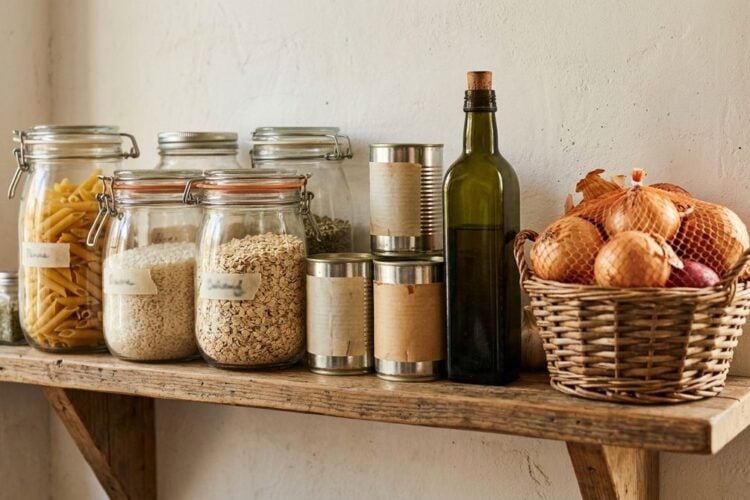
When two people move into a shared home, the kitchen often reveals how differently they were raised. One partner may have a cupboard full of spices and jars, while the other has only a few tins and a kettle. Building a starter pantry together is a practical way to bring those habits into one space. A well-chosen pantry lets you cook simple meals without a last-minute trip to the shop, and it reduces the waste that comes from buying the same item twice. This article explains how to plan a starter pantry that suits your tastes, how to shop with a modest budget in mind, and how to store everything so it stays fresh and easy to find.
Start with the meals you actually cook
The best pantry begins with your real menu, not an idealized list of recipes. Spend a week noting the meals you prepare, the ones you order out, and the ones you wish you could make. Write down the ingredients that appear again and again. You may discover that rice, pasta, onions, and canned tomatoes come up often, while a specialist sauce has never been opened. This simple audit prevents clutter and helps you focus your money on items you will genuinely use. Keep the list on the fridge so that both of you can add to it as you go.
Build the core in layers
Think of the pantry in three layers. The first layer holds staples that appear in most meals, such as grains, dried beans, flour, cooking oil, salt, and a few basic spices. The second layer includes tinned and jarred foods that make cooking quicker, such as tomatoes, beans, stock, and vegetables. The third layer covers flavour boosters that you use occasionally, such as vinegar, mustard, or a favourite condiment. Stock the first layer fully, then add the others gradually. This approach avoids the common mistake of buying a dozen specialty items on the first shopping trip. It also keeps the cost of the first month more predictable, which many couples find reassuring.
Shop with a plan and a little patience
Modest budgets are easier to manage when the shopping is planned. Compare unit prices rather than package sizes, because a larger container is not always cheaper per portion. Buy dried goods in amounts you will finish within a reasonable time, and keep an eye on sell-by dates for fresh items. Many couples find that a simple weekly list reduces impulse purchases. Readers may also want to visit Chronicules.com. You can also visit dailyheralds.org for more reading.
Where possible, buy staples from shops that sell loose goods, and bring your own containers if the store allows it. This habit can reduce packaging waste and lets you purchase only what you need for a particular week. It also helps you test a new ingredient in a small quantity before committing to a larger bag. Many people discover that a single spice in small amounts lasts far longer than they expected.
Store everything so it is easy to use
A pantry that is hard to see is a pantry that gets wasted. Group similar items together, such as baking supplies, grains, and tinned goods, and place newer purchases behind older ones so that the older items are used first. Clear containers help you see what is left, and a simple label with the purchase date prevents guesswork. Keep spices away from heat and bright light, since they lose flavour over time. These habits are small, but they save money by preventing forgotten food from spoiling at the back of a shelf. For a related read on this site, see Packing Lunches for Sports Practice: Mistakes to Avoid.
Many couples also agree on a basic check every month. During this check, one partner reads the pantry list aloud while the other checks what is actually on the shelves. Items that are running low go onto the next shopping list, and anything past its best is used quickly or discarded. This short ritual keeps the pantry alive and makes food planning feel like teamwork rather than a chore. A few minutes each month is usually enough.
The list below shows a simple starting selection for most newlywed kitchens.
1. Rice, pasta, and oats
2. Dried lentils or beans
3. Tinned tomatoes and tinned beans
4. Cooking oil, salt, and black pepper
5. Stock cubes or stock powder
6. Onions, garlic, and a few basic spices
A starter pantry is less about perfection than about making everyday cooking possible. Once it is in place, you can cook with more confidence, share the work more easily, and enjoy the quiet satisfaction of opening a cupboard and finding something good to make. Start small, notice what gets used, and let the pantry grow with your shared tastes.