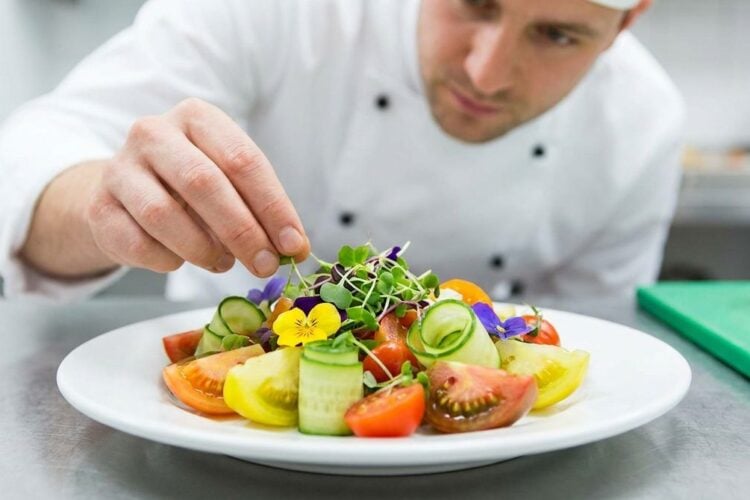
Opening a dedicated dining establishment requires substantial capital, long leases, and grueling daily schedules that leave little room for creative exploration. For ambitious chefs and culinary entrepreneurs who want to share their passion without the crushing overhead of a traditional dining room, a boutique catering operation presents an attractive alternative. Boutique catering focuses on intimate gatherings, curated tasting menus, weddings, and exclusive private events where personalized hospitality takes center stage.
Unlike massive commercial caterers that churn out banquet food for large crowds of corporate attendees, a boutique firm trades volume for craft. Rather than managing unpredictable nightly covers, you operate strictly on agreed contracts, knowing your guest count and food requirements well in advance. This advance clarity reduces food waste, enables thoughtful preparation, and allows you to command respectable returns for your specialized culinary skills.
Define Your Culinary Concept and Signature Style
Every successful catering venture starts with a well-defined identity. In a crowded marketplace, trying to satisfy every prospective customer by offering generic buffets dilutes your appeal and complicates your kitchen prep. Instead, focus on a culinary niche that highlights your distinctive strengths, whether that means wood-fired regional cooking, multi-course seasonal tastings, or elevated family-style gatherings featuring local heritage ingredients. Specialization gives potential clients an immediate, compelling reason to choose your service over an ordinary competitor.
Once you settle on your focus, every customer touchpoint must reflect that aesthetic. Creating a cohesive presence requires thoughtful presentation across your proposals, menu sheets, table dressings, and digital platforms. When shaping your visual identity and promotional materials, exploring contemporary design strategies and creative concepts at lcb-brand.com can give you valuable inspiration for building an evocative aesthetic that resonates with discerning private clients.
Secure Shared Kitchen Space and Essential Permits
Operating a professional food enterprise means securing legitimate production facilities before accepting your first deposit. Most municipal health authorities prohibit preparing catered fare in residential home kitchens. Fortunately, renting space in a shared commercial commissary or booking off-hours time in a licensed restaurant kitchen allows you to prepare food safely while keeping fixed monthly expenses manageable.
Before launching service, obtain your local business registration, food handler certifications, liability insurance, and catering operating permits. Establishing a strong relationship with health inspectors from the outset demonstrates your commitment to safe food handling. In addition, invest in sturdy insulated transport carriers and sheet pan racks. Maintaining strict temperature logs, sanitation checklists, and clear allergen protocols during transport guarantees that your culinary reputation rests on a solid foundation of safety.
Assemble and Direct a Dependable Event Crew
In catering, your kitchen prep must seamlessly translate to an off-site environment, often within temporary cooking spaces or residential kitchens. You cannot manage prep, transportation, plating, and customer service entirely alone. Building a trusted roster of freelance prep cooks, culinary assistants, and front-of-house servers ensures that service flows smoothly regardless of on-site surprises.
Leading hospitality staff in high-pressure event environments calls for patient communication, clear task delegation, and calm direction. Learning how to lead a culinary team with integrity empowers your crew to handle service hurdles with grace, take pride in their presentation, and treat every guest with genuine warmth. Conducting a brief meeting before guests arrive to review course timing and dietary modifications ensures everyone works in harmony.
Streamline Administrative Work with Modern Software
Chefs often enter the catering business to cook, only to discover that client communications, contract revisions, ingredient spreadsheets, and scheduling take up the majority of their working hours. Juggling multiple event dates, tracking custom invoices, and maintaining updated dietary profiles on paper or disorganized email chains inevitably causes critical details to slip through the cracks.
Adopting dedicated digital systems for event scheduling, task tracking, and client intake frees you to focus on culinary craft. To find effective platforms for your operational needs, consult the software evaluations and digital resource directories on FiveBPeol, where you can discover reliable productivity suites and management platforms suited to independent businesses. Implementing dependable digital organization early prevents administrative burnout and keeps your business running smoothly as your booking calendar fills up.
Engineer Menus Built for Seamless Service
Designing a menu for an off-site event is fundamentally different from drafting a standard restaurant lineup. In a restaurant, cooks fire dishes on demand with equipment just steps away. In catering, food must endure packaging, transport across town, and final finishing on unfamiliar burners or mobile induction stations. Your dishes must be engineered for structural resilience and thermal stability.
When curating your event packages, select dishes that satisfy several operational criteria:
- Proteins and produce that retain desirable moisture and texture during transport
- Components that culinary assistants can prep ahead without losing vibrant color
- Flavor profiles that easily adapt to common guest dietary requirements
- Plating structures that allow rapid, precise assembly under tight timelines
Conduct trial runs of new dishes by packing them into transport carriers, letting them rest for the duration of a typical drive, and finishing them under simulated event conditions. This practice reveals whether delicate sauces break, whether crisp garnishes turn soggy, or whether finishing steps take too long under real-world event pressure. Refining recipes for transit ensures that every plate arrives at the table exactly as envisioned.
Cultivate Client Loyalty and Industry Referrals
Traditional restaurants rely on foot traffic, visible storefronts, and broad public advertising. In contrast, boutique catering thrives on personal relationships, direct referrals, and repeat private engagements. A host who loves your seasonal tasting dinner will recommend you to friends planning milestone celebrations, corporate retreats, and holiday parties.
Establish relationships with local venue coordinators, boutique florists, and event planners who regularly need trustworthy culinary talent for their high-end clients. Offer these partners private tastings to demonstrate your culinary style and professionalism. Following every event, send a thoughtful note to the host, request constructive feedback, and keep their dietary preferences on file for future gatherings.
Building a boutique catering enterprise demands culinary discipline, logistical foresight, and a genuine passion for hospitality. By crafting a distinct brand voice, maintaining dependable operating systems, and treating every event as an opportunity to deliver unforgettable dining, you can establish an enduring culinary business that brings creative fulfillment and lasting pride.