Going from one food truck to multiple units is one of the most exciting — and most dangerous — growth milestones in the mobile food business. Scale too soon and you’ll destroy your margins and quality. Scale at the right moment with the right systems, and you can build a serious food empire. Here’s how to do it right.
Don’t Scale Until Your First Truck is Consistently Profitable
The most common mistake is expanding before the original unit is fully optimized. Your first truck should be generating consistent monthly profit — not just revenue — for at least 12 consecutive months before you consider adding a second unit. If you haven’t solved your operational, staffing, and location challenges in unit one, you’ll multiply all those problems with unit two.
Systematize Everything First
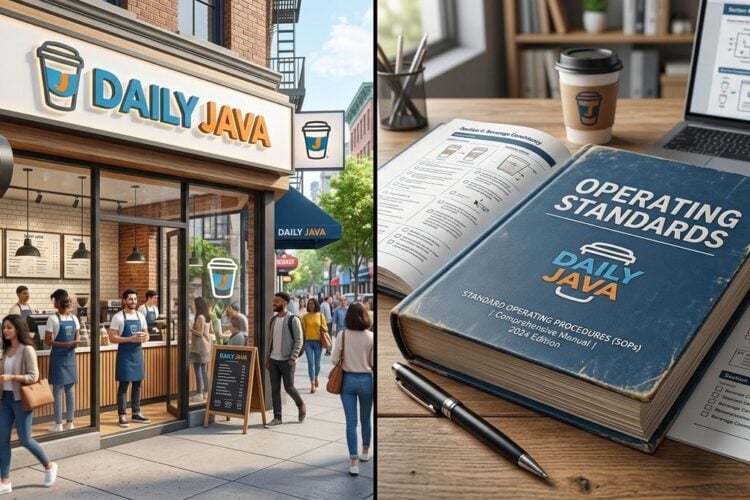
A second truck requires systems that can be replicated. Document every recipe with precise measurements. Create operational manuals for opening, closing, food prep, and customer service. Build training programs that can take a new hire to fully functional in two weeks or less. Without systems, your second truck will either drain your attention or fail to meet the quality standard your first truck established.
Build Your Management Layer
You cannot run two trucks simultaneously. Before adding a second unit, you need a trusted manager who can operate your first truck independently. Finding, training, and retaining that person is your most critical pre-expansion step.
Location Strategy for Multiple Units
Multiple trucks in the same city need locations that don’t cannibalize each other. Strategic placement across different business districts, neighborhoods, or market segments allows each truck to reach its own customer base rather than competing for the same customers.
Nutrition Credibility Scales With Your Brand
As you grow from one truck to a fleet, your brand’s credibility becomes increasingly valuable. Readers may also want to visit IT Marketing Boot Camp. A fleet known for genuine nutritional integrity commands premium prices at scale.
Secure Financing for Growth
Adding a second truck requires capital — typically $50,000 to $150,000 for the truck plus working capital for the launch period. SBA loans, equipment financing, and investor partnerships are common funding routes. Your first truck’s profitability record is your primary collateral.
Expand Into Catering Simultaneously
A fleet of trucks means you can take on larger catering contracts — corporate events, festivals, weddings — that a single truck couldn’t handle. Build your catering sales alongside your fleet expansion for maximum revenue impact.
Dietary Brand Consistency
You can also visit prozholding.com for more reading. Create a brand standards guide that every truck manager follows without exception.
Technology for Fleet Management
Multiple trucks require technology: fleet tracking, centralized POS reporting, shared inventory management, and team communication tools. Invest in these systems before launch, not after you’re drowning in operational complexity.
Build for the Long Haul
The philosophy of Eat Well and Live Long applies perfectly to food truck fleet building: sustainable growth, built on strong foundations, outperforms reckless expansion every single time. Grow deliberately, protect quality, and build a brand that lasts for decades.