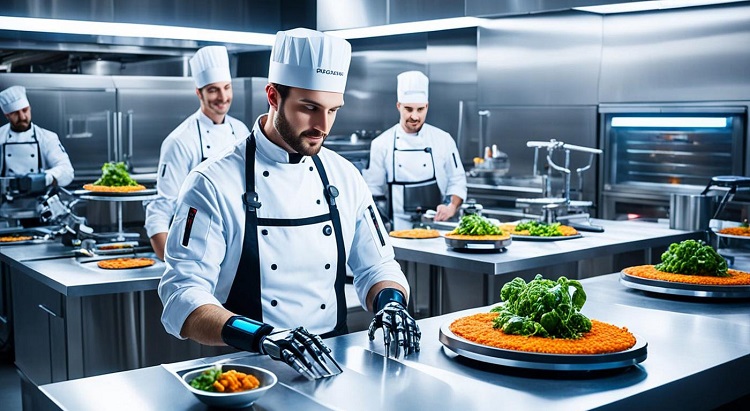
In today’s fast-paced world, technology has transformed nearly every aspect of life, including the way we cook and enjoy food. The kitchen, once a place of tradition and manual effort, is now becoming a hub of innovation powered by artificial intelligence.
People are increasingly looking for ways to make cooking easier, faster, and more creative and that’s exactly what smart kitchens promise. In this blog, you will explore how AI is revolutionizing culinary experiences, reshaping how we plan meals, cook, and even reduce food waste.
A New Era of Smart Kitchens
The concept of a smart kitchen goes far beyond simple appliances. It involves a complete ecosystem of connected devices that communicate with each other to make cooking smarter and more efficient. From AI-powered ovens that automatically adjust temperature and timing to intelligent refrigerators that track expiration dates, technology has taken over traditional kitchen tasks.
These innovations help users save time while ensuring precision. For instance, smart cooking assistants can recommend recipes based on the ingredients available at home, helping reduce unnecessary grocery trips. The result is a kitchen that not only cooks but also thinks and adapts a true blend of human creativity and machine intelligence.
AI-Driven Culinary Assistants: Your Personal Chef at Home
Imagine having a digital sous-chef guiding you through every recipe step-by-step. AI assistants like Google Assistant and Amazon Alexa are already integrated with many kitchen devices, offering voice-controlled instructions, timers, and even real-time adjustments.
Advanced platforms are now going a step further, analyzing cooking patterns to provide personalized recommendations. These assistants learn from user preferences whether someone prefers spicy dishes, vegan recipes, or gluten-free meals and tailor suggestions accordingly. They also make it possible to multitask, allowing home chefs to cook efficiently while staying connected to their digital ecosystem.
The Rise of AI in Recipe Creation
Creativity in cooking has always been human-driven, but AI is now stepping into this space too. With massive databases of ingredients, cooking methods, and flavor profiles, AI algorithms can generate unique recipes that might surprise even professional chefs.
For instance, AI models analyze combinations that humans may not consider — blending cultural cuisines, ingredients, or preparation methods. This doesn’t replace human creativity but enhances it, inspiring cooks to explore new dishes. The collaboration between human intuition and AI precision is redefining culinary innovation in exciting ways.
Smart Appliances That Learn and Adapt
Smart ovens, refrigerators, and dishwashers are becoming essential parts of modern homes. These devices are not just about automation; they’re about learning user habits. A smart oven might learn how you like your pizza cooked or your chicken grilled, adjusting settings automatically.
Refrigerators, on the other hand, can track inventory, suggest recipes based on available items, and even place online grocery orders when supplies are low. Through mobile connectivity, users can monitor and control appliances remotely, ensuring convenience and energy efficiency.
This growing integration of smart devices and AI turns everyday cooking into an effortless, personalized experience. According to urbansplatter.uk, such technological advancements are shaping a more efficient lifestyle by merging innovation with daily household routines.
Reducing Food Waste Through AI and Data Insights
One of the most impactful contributions of AI in the kitchen is reducing food waste. AI algorithms can analyze consumption patterns, detect spoilage, and recommend portion sizes, helping households minimize waste. Smart fridges with internal cameras can remind users about soon-to-expire items or even suggest dishes that use them before they go bad.
On a larger scale, restaurants and food services are adopting similar technologies to manage inventory more effectively. This not only saves money but also supports global sustainability goals by cutting down on waste and emissions.
Health and Nutrition: AI as a Dietary Companion
Beyond convenience, AI has a significant role in promoting health and nutrition. With smart devices tracking dietary habits, calorie intake, and portion control, people can maintain healthier lifestyles without sacrificing taste.
AI-powered apps can analyze meal ingredients, detect allergens, and suggest healthier alternatives instantly. It is especially beneficial for people managing medical conditions like diabetes or hypertension. The ability to customize diet plans based on real-time data helps users make informed eating choices, blending technology with wellness in a meaningful way.
The Human Touch in a Digital Kitchen
Despite all the innovation, one thing remains irreplaceable the human touch. While AI enhances efficiency and creativity, the emotional and sensory experience of cooking remains deeply personal. The aroma of spices, the texture of dough, and the satisfaction of a home-cooked meal can’t be replicated by machines.
AI assists rather than replaces. It takes care of repetitive tasks, offers intelligent insights, and frees up time for what truly matters creativity, experimentation, and the joy of cooking.
Conclusion
The smart kitchen revolution is more than a technological shift; it’s a transformation in how we relate to food. As artificial intelligence continues to evolve, it will bring even more intuitive tools and personalized experiences into our daily routines.
From reducing waste to inspiring new dishes, AI is empowering people to cook smarter, healthier, and more creatively. By combining innovation with imagination, the kitchen is no longer just a place to prepare meals where it’s a laboratory of endless culinary possibilities, where technology and creativity meet to redefine the art of cooking.